
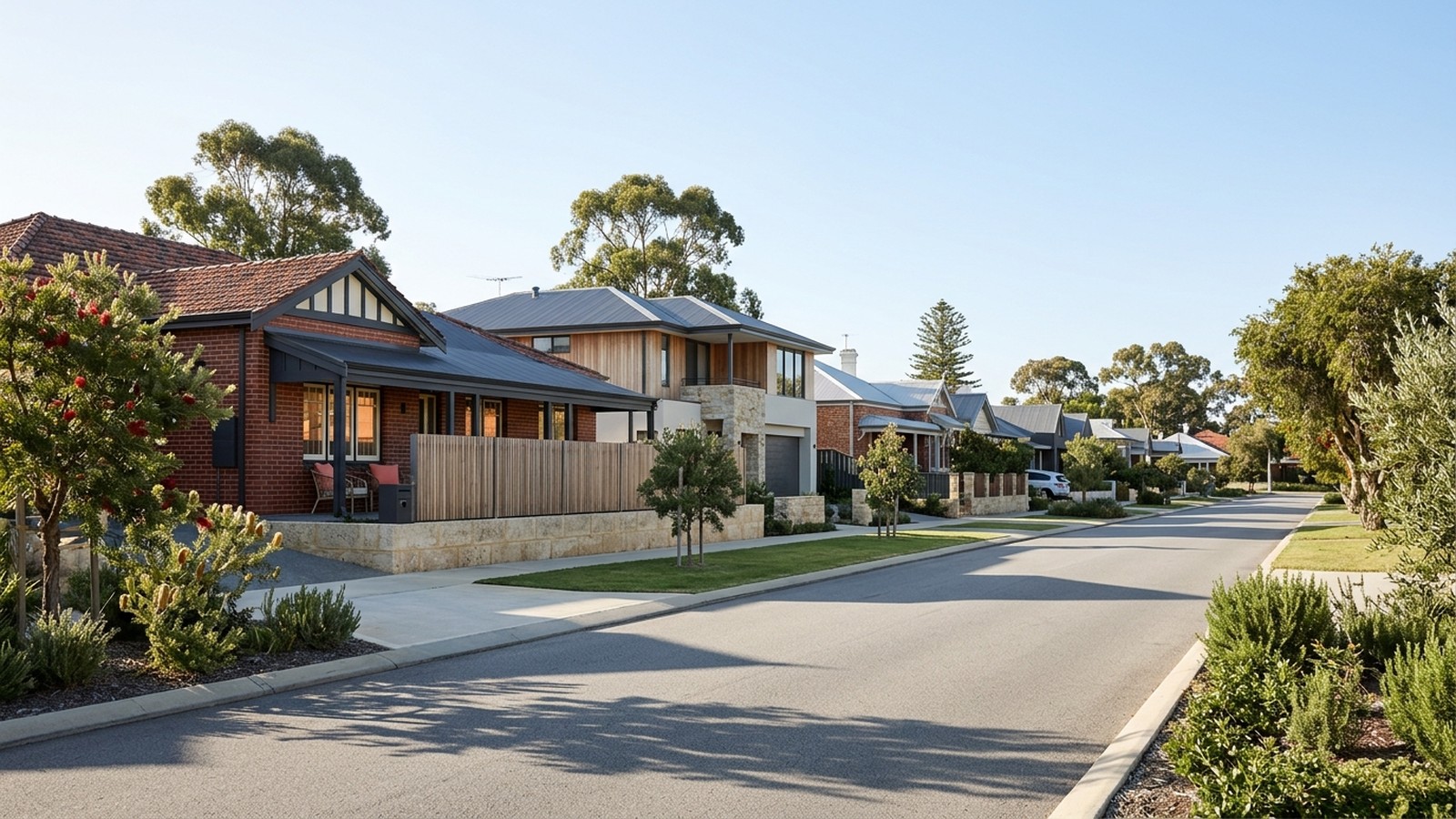
Selling a house in Perth takes as long as three separate stages take: preparation before the property is listed, the marketing campaign that runs until an offer is accepted, and the settlement period after that, which in Western Australia is usually 30 to 90 days. Only the middle stage is genuinely uncertain, and it is the one most affected by price and presentation.
Owners usually want one number. The honest answer is that the campaign length depends on how your property is priced against what else buyers can inspect this weekend, and this spring that comparison is harder than it has been in three years. This guide breaks the timeline into its parts, explains what moves each one, and shows where the time is actually lost.
How long does it take to sell a house in Perth?
There is no single figure, but the timeline has a predictable shape. Preparation and settlement are largely within your control and can be planned. The campaign is the variable.
| Stage | What happens | What controls the length |
|---|---|---|
| Preparation | Appraisal, repairs, presentation, photography, copy, compliance checks | How much work the property needs, and trade availability |
| Campaign | Listing goes live, home opens run, offers come in and are negotiated | Price against competing stock, presentation, buyer demand in your band |
| Under offer | Conditions are satisfied: finance, building and pest, special conditions | The buyer’s lender and the inspectors they engage |
| Settlement | Title transfers, funds move, possession changes | The date written into the contract, usually 30 to 90 days |
Consumer Protection WA confirms the last row: the settlement date is set in the contract of sale and the settlement period is usually 30 to 90 days.
REIWA publishes a median selling days figure for Perth metro, updated weekly alongside the listing data, on its Perth market insights page. Check it there rather than relying on any number quoted in an article, including this one, because it moves with the market and is revised as sales settle.
What is making Perth sales take longer this spring?
Supply. There are far more properties competing for the same buyers than there were a year ago, and transaction volume has fallen at the same time.
REIWA’s snapshot for the week ending 20 September 2026 recorded 7,755 properties listed for sale across Perth metro, against 2,929 in the same week last year. Weekly sales in that period ran at 634, compared with 862 a year earlier (REIWA Perth market insights, accessed 22 September 2026).
More than twice the stock, chasing fewer transactions. For a seller that has one clear consequence: your property is now being compared against a genuinely wide field, and the buyer who would have compromised in 2024 has alternatives. Campaigns that are priced to the evidence still move. Campaigns priced on hope sit.
How long should preparation take before you list?
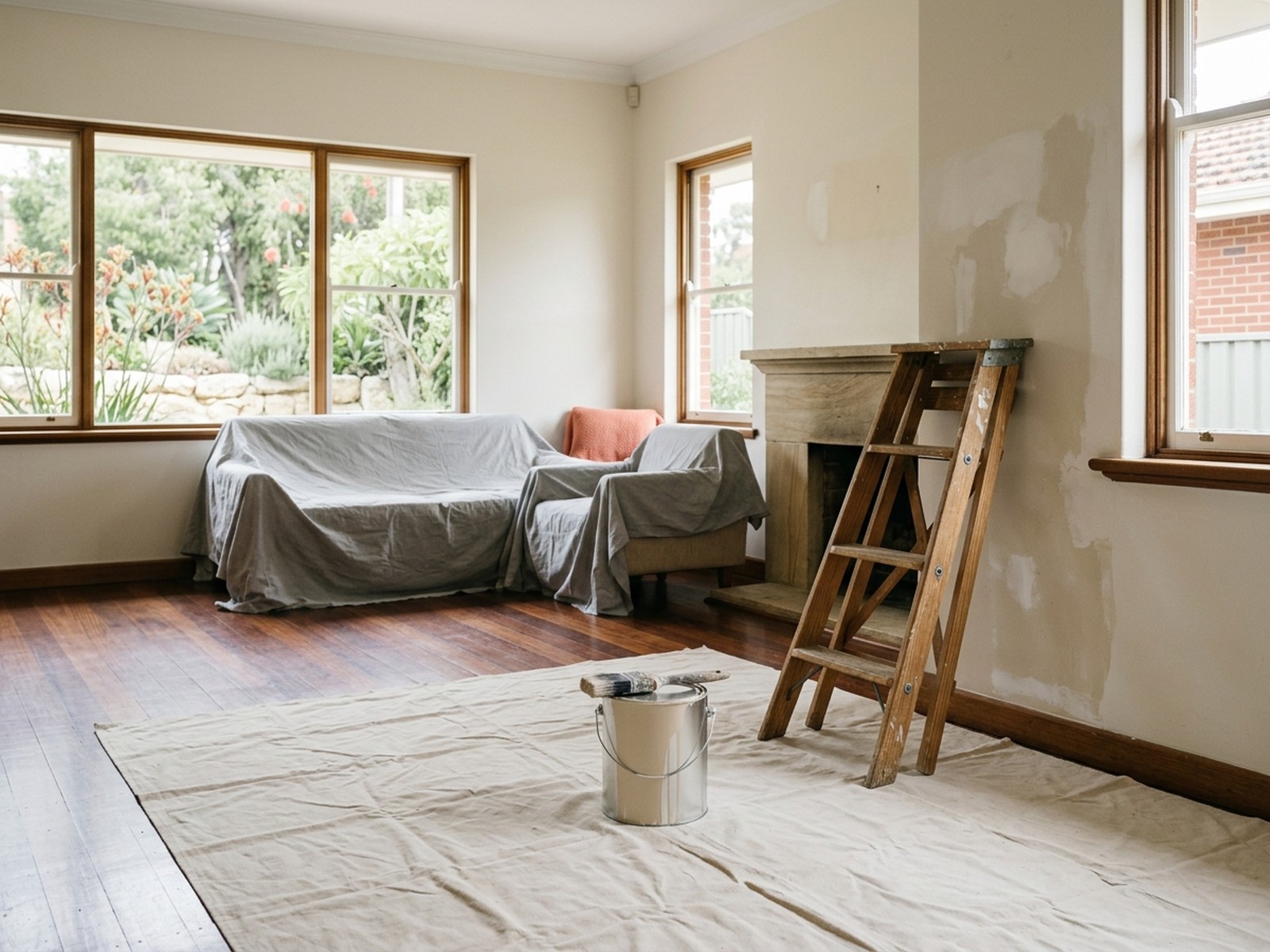
Plan two to six weeks for preparation, and longer if trades are involved. This is the stage sellers most often compress, and it is the one where compression costs the most.
A realistic preparation sequence:
- Appraisal and strategy, including method of sale and campaign timing.
- Repairs and maintenance. Anything a buyer will notice or an inspector will list. Trade lead times, not the work itself, usually set the length here.
- Presentation. Decluttering, gardens, paint touch-ups, and styling if it suits the property.
- Compliance. Before a title can transfer in WA, the property needs compliant residual current devices and smoke alarms. Sorting these early avoids a scramble near settlement.
- Marketing production. Photography, floor plan, copy and approvals, generally a week once the property is ready to shoot.
Our room-by-room guide to preparing a Perth home for sale covers the presentation stage in detail.
Photographing a property before it is ready is the single most expensive shortcut available. The images are the first filter for every buyer, they cannot be quietly replaced later without the listing losing its freshness, and a reshoot costs both money and momentum.
How long does the marketing campaign usually run?

The campaign is the variable stage, and its first two to three weeks matter far more than the rest. That is when the property is new to every buyer already watching your price band.
The pattern is consistent across markets and methods of sale:
- Week one to three. Peak enquiry and inspection numbers. Every active buyer in your band sees the property for the first time. Most well-priced properties receive their best offer in this window.
- Week four to six. Enquiry falls to the trickle of new buyers entering the market. If nothing has come in, the issue is price, presentation or the marketing, and it needs addressing rather than waiting out.
- Beyond six weeks. The listing is now carrying visible history. Buyers ask why it has not sold, and a price reduction reads as a negotiating signal rather than a correction.
An auction campaign compresses this deliberately into a fixed period ending on auction day. A private treaty campaign runs until a suitable offer is accepted, which is why the first three weeks need to be right.
How long is settlement in Western Australia?
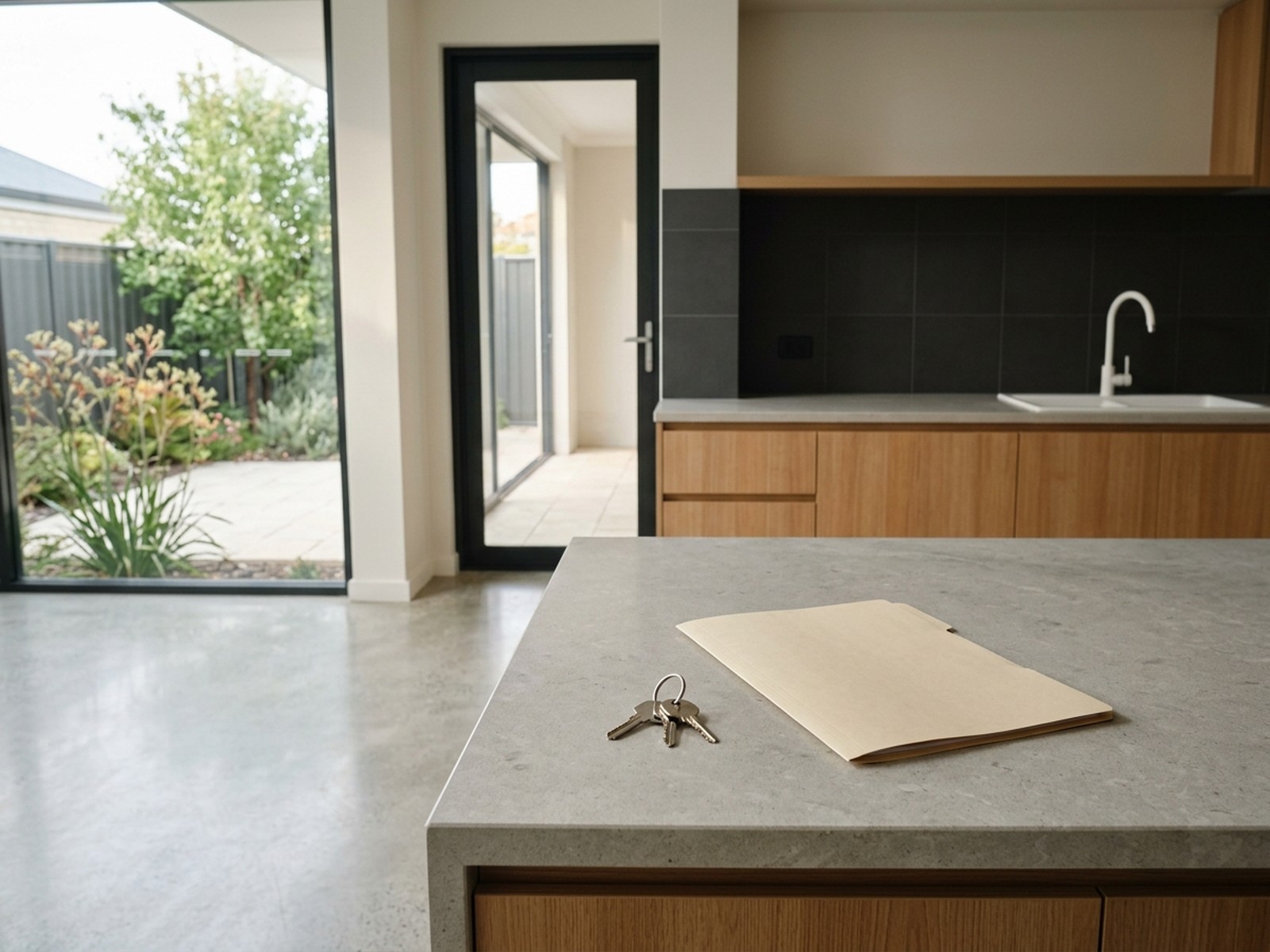
Settlement is usually 30 to 90 days, set as a date in the contract of sale rather than a standard period. Both parties agree it during negotiation, so it is one of the terms you can shape to suit your own move.
At settlement, the buyer pays the balance, the title transfers and the buyer becomes the registered owner and takes possession, unless other arrangements are in the contract. Rates and other outgoings are adjusted between the parties, with the seller responsible up to and including the settlement day and the buyer from the day after. If the buyer, their settlement agent or their lender cannot meet the agreed date, the buyer may owe penalty fees to the seller (Consumer Protection WA).
A settlement agent must be licensed in WA, must follow the Code of conduct for settlement agents, and must give you a written costs disclosure setting out the maximum they will charge before you sign the appointment to act.
What actually shortens the time on market?
Pricing to the evidence shortens a campaign more than anything else, and nothing else comes close. Presentation is second.
What genuinely helps:
- An asking price supported by settled comparable sales, not by what the property was worth in 2024 or what the owner needs to clear.
- Photography taken after the property is properly prepared.
- A complete listing. Floor plan, land size, outgoings, strata details where relevant. Incomplete listings lose buyers who filter rather than enquire.
- Flexible access. Every inspection refused is a buyer who inspects something else instead.
- Compliance and paperwork sorted in advance, so an accepted offer does not stall.
- Honest early feedback acted on quickly. If twenty buyers walk through and none returns, the market has already told you something.
What does not help: listing at a high price to “test the market”, waiting for a specific buyer, or holding out because a neighbour achieved a figure in a different market. In a spring with this much competing stock, each of those costs weeks.
What slows a sale down after an offer is accepted?
Most post-offer delays come from finance and inspections, and both are largely outside the seller’s control once the contract is signed. Knowing where the pinch points are helps you set a realistic settlement date.
Common causes of delay:
- Finance approval. Pre-approval is not final approval, and the lender may still require a valuation and further documents.
- Building or timber pest inspections, and any negotiation that follows a report.
- Strata documentation where the property is in a scheme.
- Title issues, such as an unregistered easement, a caveat or a survey discrepancy that surfaces during settlement enquiries.
- The buyer’s own sale, where the contract is conditional on it.
None of these are reasons to avoid a conditional buyer. They are reasons to build a settlement date that has room in it, and to keep your settlement agent informed from the day the contract is signed.
Frequently asked questions
How long does a house take to sell in Perth on average?
There is no fixed average, and the figure moves weekly. REIWA publishes a current median selling days figure for Perth metro on its market insights page, which is the right source to check rather than any number quoted in an article.
What is the fastest a property sale can complete in WA?
The campaign can end the day the listing goes live if a waiting buyer makes an acceptable offer, but settlement still has to run. Settlement periods are usually 30 to 90 days and the date is negotiated into the contract, so a genuinely fast total timeline still takes weeks.
Does selling in spring make the sale faster?
Not automatically. Spring brings more buyers and more competing listings at the same time, and this year the listing count has risen far more sharply than buyer activity. Spring helps a well-presented, well-priced property and exposes one that is neither.
Should I reduce the price if my home has not sold in four weeks?
Four weeks of genuine enquiry with no offer is the market telling you something about price, presentation or marketing. Review all three with your agent using the actual inspection numbers and buyer feedback, rather than reducing on a timeline alone.
Can I choose the settlement date?
Yes, it is a negotiated term of the contract rather than a fixed period. If you are buying as well as selling, raise the date you need early, because aligning the two settlements is much easier before an offer is accepted than after.
Does a vacant property sell faster than a tenanted one?
Not necessarily, though access is simpler and presentation is easier to control. A tenanted property carries notice requirements and inspection restrictions that need planning around from the start.
Get the timeline working for your move, not against it
The part of this timeline you control is the part before the listing goes live. A properly evidenced price, a prepared property and a settlement date that suits your own plans will do more for your result than any amount of patience afterwards.
Start with a confidential property appraisal, or see how a Perth sale campaign runs end to end.
Call Brian on 0418 896 354 or email brianmcallister@theagency.com.au. Seven days, by appointment.
This article is general information for Western Australia and is not legal or financial advice. Market figures are as at the dates stated and are revised over time. Obtain advice from your licensed settlement agent or lawyer before signing any contract.