Category: Property Guides

  • Buying a Strata Apartment in WA: Due Diligence Checklist

    Buying a Strata Apartment in WA: Due Diligence Checklist

    Buying a strata apartment in WA means assessing two assets: the individual lot and the strata scheme that surrounds it. The apartment’s condition matters, but so do the scheme’s finances, by-laws, insurance, maintenance plans and decision-making record.

    WA strata law gives buyers compulsory upfront information. That pack is a starting point, not a substitute for reading the records, inspecting the property and getting advice on the contract.

    What information must a WA strata buyer receive?

    A WA strata buyer must receive compulsory information about the scheme and the lot. Landgate says this information is designed to help buyers understand the strata community, evaluate the scheme’s financial position and consider ongoing or upcoming costs.

    The Landgate resources for strata buyers advise reviewing all seller-provided information before signing an offer and acceptance contract. Consumer Protection’s property-selling guidance identifies key seller material including Form 28, Form 29, the strata plan and applicable by-laws.

    Check that the pack relates to the correct lot and current scheme. Ask for missing or unclear documents before relying on a verbal summary.

    How should buyers read the strata plan and title?
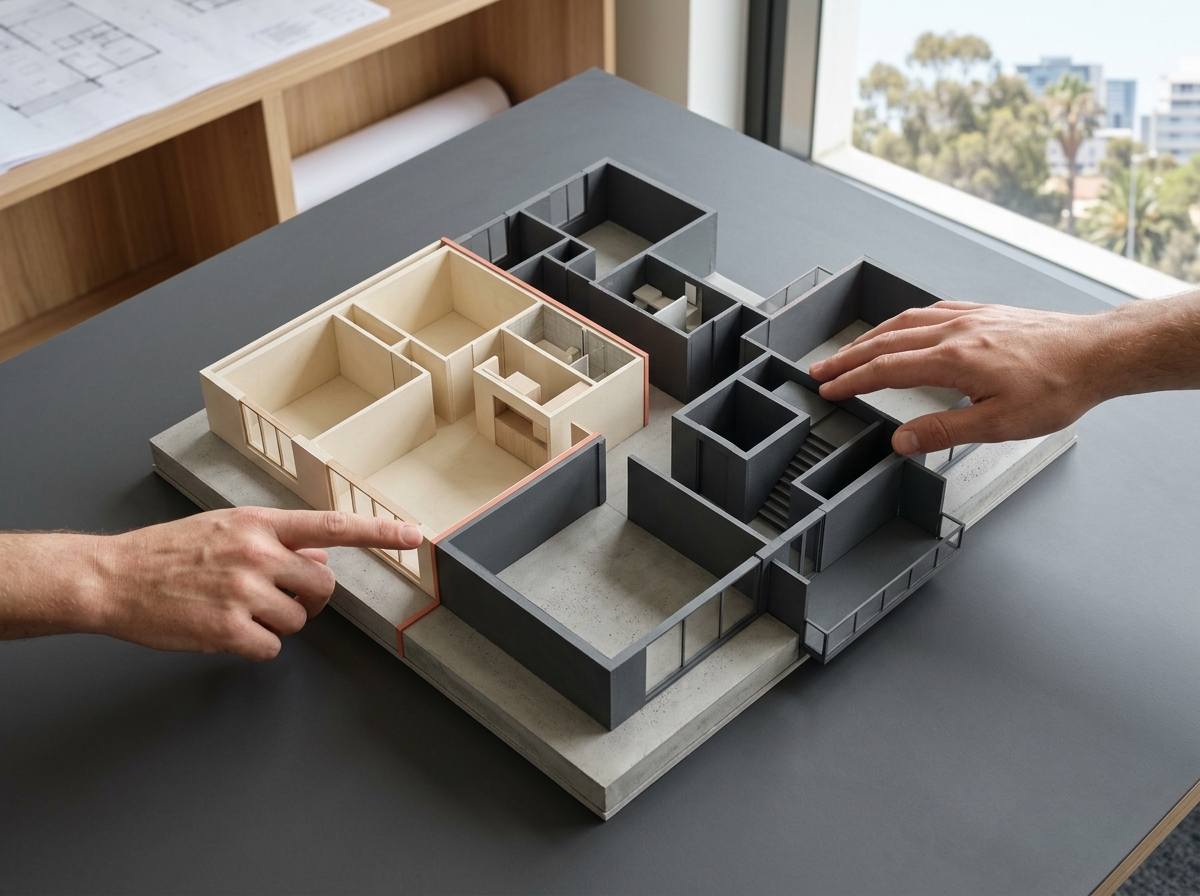
    Overhead editorial photograph of a precise physical architectural cutaway model of a Perth apartment floor: one private apartment volume finished in warm ivory, while surrounding shared corridor, stair core and balcony access are finished in charcoal with one subtle coral boundary strip. Two anonymous natural hands compare the model components. No paper, plan sheet, symbols, labels or markings.

    The strata plan shows the lot’s legal boundaries and its relationship to common property. Do not assume a balcony, courtyard, car bay, storeroom or roof space belongs exclusively to the apartment because it appears attached to it.

    Confirm:

    • the lot number and title details
    • the boundaries of the apartment
    • whether car bays and storerooms form part of the lot, are separate lots or are allocated common property
    • areas subject to exclusive-use by-laws
    • easements, restrictions and notations
    • unit entitlement, which can affect voting and contributions

    A physical inspection and a plan answer different questions. Walk the boundaries with the plan in mind. Ask a licensed settlement agent or lawyer to explain any legal description you do not understand.

    Which strata by-laws should buyers check?

    By-laws govern how owners and occupiers use lots and common property. They can affect day-to-day life and future plans.

    Search for rules covering:

    • pets
    • parking and visitor bays
    • noise and floor coverings
    • smoking
    • short-stay accommodation
    • renovations and approvals
    • balcony use and washing
    • moving procedures and lift bookings
    • use of facilities
    • recovery of damage or service costs

    Read amendments as well as standard by-laws. A sales listing or owner’s recollection does not override the scheme’s registered rules. If a pet, business, renovation or leasing plan is central to the purchase, obtain advice on the relevant by-law before committing.

    How can buyers assess strata levies and the scheme’s finances?

    Editorial tabletop still life for strata financial due diligence: three entirely plain closed charcoal and ivory folders, one small unmarked reserve jar containing blank wooden counters, and unbranded maintenance photo cards showing a lift, roof and courtyard. No loose paper, coins, currency, calculator, printed marks, labels or symbols.

    Strata levies fund ordinary operations and longer-term work. A low current levy is not automatically good value if the scheme has deferred maintenance or weak reserves.

    Review:

    • current administrative and reserve-fund contributions
    • payment frequency and due dates
    • recent levy increases
    • special levies already raised or discussed
    • arrears owed to the scheme
    • annual budgets and financial statements
    • contracts for major services
    • expected capital works

    Compare money held with the condition and complexity of the property. A small scheme with simple common areas has different needs from a tower with lifts, pools, mechanical ventilation and extensive façades.

    Build levies into the total ownership budget alongside loan repayments, rates, utilities, insurance for contents and lot improvements, and maintenance inside the lot. The apartments and investment property service places scheme costs within the wider purchase decision rather than treating them as a footnote.

    What do strata meeting minutes reveal?

    Meeting minutes can reveal patterns that a current budget does not show. Read several years where available, not only the latest meeting.

    Look for repeated discussion of:

    • water ingress, concrete damage or cracking
    • lifts, fire systems, roofs, windows and plumbing
    • defects or warranty claims
    • insurance claims and premium increases
    • legal disputes
    • owner conflict or governance problems
    • contractor performance
    • proposed upgrades
    • special levies or borrowing

    A single mention does not prove a major problem. Repeated unresolved references deserve questions, supporting reports and cost estimates. Note whether decisions were completed, postponed or merely removed from later agendas.

    Which inspections matter for a strata apartment?

    Anonymous Australian building inspector in plain unbranded clothing checking the junction between a modern apartment balcony and shared corridor, using a handheld moisture tool with its blank display turned away. Safe working posture, realistic construction details, face not identifiable.

    Inspect the apartment and the common property that supports it. A standard viewing rarely tests all systems or accesses roofs, plant rooms and service areas.

    Consider professional advice appropriate to the building and your concerns. The Consumer Protection property-buying guide recommends property inspections and points buyers to title and property-interest records.

    For the lot, check:

    • moisture, ventilation and visible mould
    • windows, doors and balcony drainage
    • plumbing fixtures and water pressure
    • electrical fixtures and air conditioning
    • floors, walls and ceilings
    • appliances included in the sale
    • storage, parking and access

    For the scheme, observe façades, roofs visible from accessible areas, paths, retaining walls, garages, lifts, intercoms and shared facilities. Ask who maintains each item because responsibility can depend on lot boundaries, by-laws and the nature of the asset.

    What insurance should a strata buyer review?

    Ask for the scheme’s current insurance certificate and understand what it covers. Strata insurance commonly addresses the building and common property, but it may not cover the buyer’s contents, personal liability, temporary accommodation or improvements in the way the buyer expects.

    Check:

    • insured property and declared value
    • major exclusions and excesses
    • recent claims
    • whether any risk or defect has affected terms
    • what separate cover the buyer needs from settlement

    Do not treat an insurance certificate as proof that every defect will be covered. Insurance, maintenance and construction responsibility are separate questions.

    How should investors assess a strata apartment?

    An investor should test rental assumptions against the scheme rules, property condition and full ownership costs. Gross rent alone does not reveal the investment’s operating position.

    Review:

    • by-laws affecting leasing, pets or short stays
    • likely tenant demand for the exact layout and location
    • management, letting and vacancy assumptions
    • recurring and special levies
    • maintenance inside the lot
    • known capital works
    • parking, storage and transport access
    • realistic rent supported by current evidence

    If the apartment is already leased, review the tenancy documents, rent ledger, bond status, property condition records and access arrangements. Confirm what passes with the sale and obtain property-management and settlement advice.

    What should be written into the offer and acceptance?

    The offer should reflect the due diligence the buyer actually needs. WA Consumer Protection explains that special conditions in an offer and acceptance should be precise, signed and dated.

    Before signing, confirm:

    • the lot, car bay, storeroom and included items
    • finance details and approval date
    • inspection conditions and notice process
    • settlement date and vacant-possession terms
    • treatment of any known levy or approved work
    • disclosure documents received
    • any seller promise recorded in the contract

    Do not rely on an email or brochure for a term that needs contractual effect. Ask a settlement agent or lawyer to review clauses that are important to your decision.

    Frequently asked questions about buying strata in WA

    Can a buyer ask for more than the compulsory strata information?

    Yes. Landgate’s buyer resources recognise that buyers may request further information. Meeting minutes, budgets, insurance records and reports can provide context beyond the compulsory pack.

    Are low strata levies always better?

    No. Low levies can reflect a simple, well-run scheme, but they can also mean inadequate maintenance or reserves. Compare the budget with the building’s condition and planned work.

    Who repairs a defect inside a strata apartment?

    Responsibility depends on the lot boundaries, common property, by-laws and the type of defect. Obtain scheme and legal advice rather than assuming everything inside the front door belongs to the lot owner.

    Buy the lot and understand the scheme

    A good strata purchase stands up to both inspections and document review. To assess a Perth apartment within its building, suburb and resale context, discuss your brief through the property buying service.

    This article provides general information for Western Australia and is not legal, building, financial or strata-management advice. Obtain professional advice for the property and contract before buying.


  • Subject to Finance in WA: What Property Buyers Need to Know

    Subject to Finance in WA: What Property Buyers Need to Know

    Subject to finance in WA is a contract condition that makes a property purchase dependent on finance being obtained under the clause’s terms. It is not a general escape option and does not replace careful loan preparation. The lender, loan amount, approval date, evidence and notice requirements can all affect whether the condition protects the buyer as intended.

    This guide explains the standard finance process, the difference between pre-approval and final approval, and the steps buyers should take before the deadline.

    What does “subject to finance” mean in a WA property offer?

    “Subject to finance” means the buyer needs a loan and the contract’s finance condition applies. The condition sets the process for seeking approval and notifying the seller or agent.

    The WA Consumer Protection guide to offer and acceptance contracts says a buyer who needs a loan should complete and sign the “Finance Clause Is Applicable” box. A cash buyer should use the “Finance Clause Is Not Applicable” box.

    The exact wording matters more than the casual phrase. Read the Offer and Acceptance together with the Joint Form of General Conditions and any amendments. Ask a settlement agent or lawyer to explain changes before you sign them.

    Which finance details should buyers check before signing?

    Pen beside a deliberately blank finance-condition form with four empty raised paper areas and a house key, staged on a clean desk. Absolutely no lines, tick marks, labels, letters, numbers, bank marks or signature; no hands.

    A useful finance condition identifies the approval sought and the time allowed. Check these fields carefully:

    • Lender: whether a specific lender is named.
    • Loan amount: enough to complete the purchase after deposit and other funds.
    • Approval date: realistic for the lender and the transaction.
    • Type of approval: what the contract treats as finance approval.
    • Notice method: how approval, rejection or an extension must be communicated.
    • Evidence: what the seller may request if finance is not approved.

    Do not insert a token loan amount or unrealistic deadline to make an offer appear stronger. A clause that does not match the finance actually required can expose the buyer to a contract they cannot complete.

    Is home-loan pre-approval the same as finance approval?

    Clean overhead comparison on an ivory table: two plain unmarked document folders side by side, the left folder slim and closed, the right folder visibly thicker and paired with a small unmarked house model and key. No people, background lifestyle scene, photos, labels, symbols, text, numbers, logos or markings.

    No. Pre-approval is an early lender assessment, while final approval usually depends on the specific property and updated borrower information. The lender may still need a valuation, signed contract, insurance details or further documents.

    Before making offers, the Consumer Protection planning guide for property buyers recommends comparing loan terms, fees and repayment capacity. A buyer should also allow for acquisition costs such as settlement fees, transfer duty, inspections, insurance and moving.

    Keep the broker or lender informed while searching. Send the signed contract as soon as an offer is accepted and respond quickly to document requests.

    What must a buyer do under the standard finance condition?

    A buyer must follow the contract rather than wait passively for the deadline. Consumer Protection explains that, where no preferred lender is named or standard finance terms are changed, the buyer may need to use best efforts, apply to at least one lender, produce evidence if requested and notify the seller or agent of approval or rejection.

    A practical workflow is:

    1. Give the lender or broker the full signed contract immediately.
    2. Confirm the application amount and approval date match the contract.
    3. Supply payslips, statements, identification and other requested records promptly.
    4. Ask whether a valuation or further credit assessment is outstanding.
    5. Keep written evidence of the application and lender communication.
    6. Send contract notices through the required channel before the deadline.

    A structured Perth buying process helps align property selection, finance readiness and due diligence before the offer becomes binding.

    What if finance is not approved by the deadline?

    Missing the finance date does not always make the contract disappear automatically. Consumer Protection warns that a contract may remain enforceable even if finance has not been obtained, and the appropriate notice may be needed to bring it to an end.

    Contact the lender, selling agent and settlement adviser before the deadline. Possible outcomes may include:

    • finance approval and written notification
    • a written extension agreed by buyer and seller
    • formal notice of non-approval supported by required evidence
    • advice about rights under the clause

    Do not assume a verbal update from a broker satisfies a contractual notice requirement. Ask your adviser what must be delivered, by whom and in what form.

    Can a seller keep accepting interest while finance is pending?

    A signed contract subject to finance is still a contract. The seller’s ability to continue marketing or act on another offer depends on the existing terms.

    Some contracts include a 48-hour clause connected with another condition, such as the buyer’s sale of an existing property. Consumer Protection lists such clauses as examples of special conditions. They must be precisely drafted and should not be confused with a standard finance condition.

    Buyers and sellers should obtain advice before adding, changing or relying on a special condition. Informal summaries can omit the notice mechanics that decide the outcome.

    How can buyers make a finance-backed offer stronger without removing protection?

    A buyer can improve certainty through preparation rather than waiving a needed condition. Useful steps include:

    • obtain current pre-approval for a realistic amount
    • keep deposit and acquisition-cost funds accessible
    • choose an approval period the lender can meet
    • avoid unexplained finance-clause changes
    • provide complete documents early
    • confirm the property type is acceptable to the lender
    • investigate strata, title or condition issues that could affect valuation

    Price is not the only term a seller assesses. A clear deposit, credible timeline and well-prepared buyer can make an offer easier to evaluate.

    Waiving finance may create a cleaner offer, but it also shifts substantial risk to the buyer. Do not mark finance as inapplicable unless you can settle without relying on the loan or have obtained advice appropriate to your position.

    How do finance, inspections and settlement dates fit together?

    Three-stage tabletop property process with no people: completely closed plain finance folder on the left, an unbranded analogue flashlight and smooth magnifying glass examining a house model in the centre, and house keys on the right. Natural left-to-right sequence only; no electronic tool, display, buttons, pen, arrows, clock, labels, numbers or glyphs.

    Finance is one part of the contract timetable. Building, pest, strata or other investigations may have separate deadlines and consequences. Satisfying finance does not waive another condition unless the contract says so.

    Map the dates in one list:

    This view prevents the loan process from obscuring another obligation. Your settlement representative can explain how the dates interact.

    Frequently asked questions about subject to finance in WA

    Can a buyer withdraw if the bank valuation is low?

    Not automatically. A low valuation may affect the lender’s decision or loan amount, but the buyer’s rights depend on the finance clause and the approval actually sought. Obtain advice before sending any notice.

    Can the finance date be extended?

    Yes, if buyer and seller agree and amend the contract in writing. Ask before the deadline and ensure the change is recorded and signed as required.

    Should a buyer name a lender in the finance clause?

    Naming a lender can affect how the condition operates. Consumer Protection notes that if the named lender does not grant the loan, the contract will not be binding on the buyer under the standard framework. Get advice on the completed clause rather than choosing based on a generic rule.

    Prepare the finance position before the offer

    The safest time to clarify borrowing capacity, conditions and deadlines is before negotiations become urgent. For help matching a Perth property search with a disciplined offer process, start with a buying consultation.

    This article provides general information for Western Australia and is not legal or financial advice. Contract wording and lending decisions vary. Obtain advice from your lender, broker and licensed settlement agent or lawyer before signing.

  • Property Settlement in WA: A Seller and Buyer Timeline

    Property Settlement in WA: A Seller and Buyer Timeline

    Property settlement in WA is the legal and financial transfer of a property from seller to buyer after the contract conditions have been satisfied. On settlement day, the balance of the purchase price is paid, ownership transfers and possession usually passes under the contract. The settlement date is written into the sale contract rather than set by one universal countdown.

    This guide follows the property settlement process in WA from accepted offer through finance, inspections, adjustments, title transfer and key handover.

    What happens after an offer is accepted in WA?

    After an offer is accepted, both parties should appoint a settlement agent or lawyer promptly and send them the signed contract. The contract becomes the working schedule for finance, inspections, special conditions and settlement.

    The WA Consumer Protection guide to offer and acceptance contracts explains that the contract records the property, parties, price, deposit, balance, advisers and special conditions. Its General Conditions deal with matters including title, possession, settlement delay, risk and default.

    The early actions usually include:

    • providing identity and contact details
    • nominating the settlement representative
    • paying the deposit as required
    • giving the lender the signed contract
    • booking agreed inspections
    • diarising every condition and notice date
    • arranging the seller’s mortgage discharge, if needed

    A missed condition date can create avoidable risk. Each party should ask their adviser who owns every action and how completion will be confirmed.

    Who manages property settlement in WA?

    A licensed settlement agent or suitably qualified lawyer manages the conveyancing work. WA Consumer Protection recommends using one unless you are qualified to conduct the work yourself.

    According to its property settlement guidance, a settlement agent can prepare and lodge transfer documents, make enquiries about title, rates and zoning, check contract conditions, request funds and attend settlement. Agents must be licensed in WA and provide written costs disclosure before appointment.

    The buyer and seller may consent to one agent acting for both, but independent representation can reduce conflict concerns. Each party remains responsible for reading documents, giving instructions and meeting contract obligations.

    What happens while contract conditions are being satisfied?

    Three-stage tabletop arrangement for property contract conditions with no people: a completely closed plain finance folder beside a small unmarked house model, a simple magnifying glass inspecting the model exterior, and a final set of keys. Distinction comes from spatial grouping and objects only. No electronic devices, papers, pen, arrows, labels, numbers or glyphs.

    Conditional contracts remain subject to the wording and deadlines in the offer and acceptance. Common conditions include finance, building inspection, timber-pest inspection, specified repairs or the sale of another property.

    A condition is not a general permission to withdraw. Its wording determines:

    • what must happen
    • who must act
    • which evidence is required
    • the deadline
    • how notice must be given
    • the consequence of satisfaction or failure

    Buyers should send approval or rejection evidence through the channels required by the finance clause. Sellers should complete any agreed work and retain invoices or certificates. Both parties should ask for advice before assuming a condition has ended the contract.

    What should the seller do before settlement?

    The seller should keep the property in the required condition, cooperate with access permitted by the contract and prepare for vacant possession if promised.

    A practical seller checklist includes:

    • sign transfer and settlement documents promptly
    • give the lender authority to prepare mortgage discharge
    • confirm fixtures and included chattels remain at the property
    • complete agreed repairs by their deadline
    • remove excluded goods and rubbish
    • keep insurance arrangements under review until settlement
    • provide keys, remotes and access details for handover
    • tell the agent or settlement adviser about new damage or changes

    If the sale forms part of a broader move, the Perth selling process can coordinate campaign promises with a realistic handover plan.

    What should the buyer do before settlement?

    The buyer should maintain lender contact, complete required inspections and ensure funds are ready. Loan approval alone may not complete every lender requirement.

    A practical buyer checklist includes:

    • satisfy the lender’s identification, insurance and document requests
    • provide funds required beyond the loan amount
    • review title and property enquiries with the settlement adviser
    • complete any contract inspections on time
    • arrange building insurance when advised
    • confirm the final inspection date
    • prepare utilities and moving arrangements
    • avoid new financial commitments that could affect the loan

    The Perth buying service explains how finance readiness and due diligence fit into the wider purchase process.

    What is checked at the final inspection?

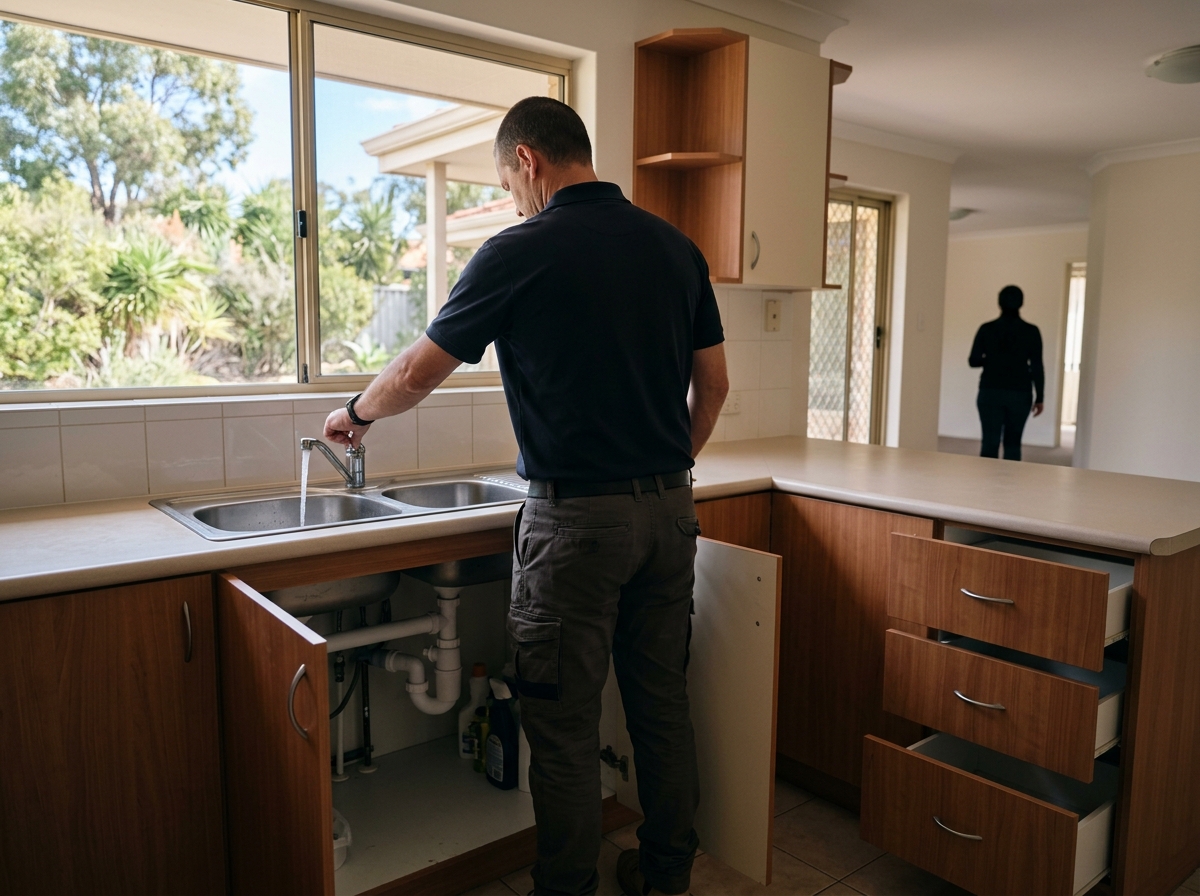
    Anonymous inspector seen entirely from behind, with head turned away and face invisible, safely testing a kitchen tap with one clearly visible natural hand in a vacant Perth home; open cabinet doors and a separate buyer silhouette in deep background, also facing away. No extra limbs, visible device screens, notes, text or branding.

    A final inspection lets the buyer check the property shortly before settlement against the contract. It is not a fresh building inspection or a chance to renegotiate ordinary wear that was visible when the offer was made.

    The buyer commonly checks that:

    • the property is in substantially the required condition
    • included fixtures and chattels remain
    • excluded items and rubbish have been removed
    • agreed repairs have been completed
    • relevant electrical, plumbing and gas fixtures operate as required
    • no significant new damage has occurred

    Raise issues with the selling agent and settlement adviser immediately. The correct response depends on the contract and severity. Do not arrange a private deduction from the price without advice and written agreement.

    What financial adjustments appear on the settlement statement?

    The settlement statement reconciles the sale price and transaction-specific adjustments. It shows how much the buyer must provide and how much the seller receives after deductions.

    Consumer Protection states that rates and other outgoings are adjusted at settlement. The seller is responsible up to and including settlement day, and the buyer from the following day.

    The statement may include:

    • deposit already paid
    • balance of purchase price
    • council and water rates
    • strata levies
    • rent adjustments for a leased property
    • agreed contract credits
    • loan payout and discharge costs
    • settlement fees and disbursements

    Read the statement before settlement. Ask the settlement agent to explain each unfamiliar entry rather than treating the net figure as self-explanatory.

    What happens on property settlement day?

    Close view of one anonymous professional hand passing a realistic house key set across a tidy unbranded desk to a buyer hand after blank documents have been put aside. Natural hands, understated moment, no portraits, celebrations, labels or visible paperwork content.

    On settlement day, representatives complete the financial exchange and lodge or arrange the documents needed to transfer title. The buyer’s lender supplies loan funds, the buyer supplies any balance and the seller’s secured debt is dealt with as required.

    Once settlement is confirmed:

    • the seller becomes entitled to the net proceeds
    • the buyer becomes the registered owner through the transfer process
    • possession passes as the contract provides
    • the real estate agent can release keys under the agreed handover process

    Keys are not automatically available at the start of the day. Wait for formal confirmation through the agent or settlement representative before collecting them or entering the property.

    What happens if settlement is delayed?

    A delayed settlement can trigger contractual rights, notices, penalty interest or other costs. The outcome depends on which party is not ready and what the General Conditions say.

    Consumer Protection notes that a buyer whose representative or lender cannot meet the date may have to pay penalty fees to the seller. A seller delay can also have consequences. Contact the settlement adviser immediately if a bank, document, inspection or vacant-possession problem threatens the date.

    Keep removalists and service connections flexible until the settlement team reports that the transaction is ready. A small timing buffer can prevent a legal delay from becoming a moving-day crisis.

    Frequently asked questions about property settlement in WA

    How long does property settlement take in WA?

    The contract sets the settlement date. Consumer Protection says settlement periods are usually 30 to 90 days, but parties can agree on another period and special conditions may affect timing.

    Can buyers move in before settlement?

    Only under a documented arrangement accepted by the parties and advisers. Early possession changes risk, insurance and responsibility, so buyers should not collect keys or move in based on an informal promise.

    Who tells the agent to release the keys?

    The selling agent normally waits for confirmation that settlement has completed. The parties should agree on handover details beforehand, including where keys and remotes will be collected.

    Keep the transaction clear from contract to keys

    Good settlement outcomes come from precise dates, prompt documents and early communication. For help coordinating a Perth sale or purchase around those milestones, discuss your plans through Brian McAllister Properties.

    This article provides general information for Western Australia and is not legal, settlement or financial advice. Your contract controls the transaction. Obtain advice from your licensed settlement agent or lawyer.

  • Selling a Tenanted Property in WA: A Landlord’s Guide

    Selling a Tenanted Property in WA: A Landlord’s Guide

    Selling a tenanted property in WA means running a sale campaign alongside the tenancy agreement and the tenant’s right to quiet enjoyment. The property can be marketed while occupied, but access, photography, communication, possession and settlement need one coordinated plan. The lease position also shapes whether the likely buyer is an investor seeking continuity or an owner-occupier needing vacant possession.

    This guide explains how WA landlords can review the tenancy, plan access, prepare records and align the sale contract with settlement.

    Can you sell a property with tenants in WA?

    Yes. A landlord can sell a WA rental property while it is tenanted. The sale does not, by itself, erase the tenancy or give unrestricted access to the home.

    The buyer proposition depends on the lease and contract. A fixed-term tenancy, periodic tenancy and property promised with vacant possession can produce different obligations and timelines. Obtain property-management, settlement or legal advice before giving notices or promising a handover date.

    For investment-focused sales, the apartments and investment property service can position the tenancy records and property fundamentals together.

    What should a landlord review before appointing an agent?

    Organised tenancy-sale still life with no people: two completely closed plain folders, realistic property keys, three unmarked property-condition photo cards showing only rooms, and a blank sealed maintenance envelope. No open binder, forms, receipts, printed lines, text, numbers, labels, logos, addresses or private data.

    Review the complete tenancy file before setting the campaign date. Confirm facts rather than relying on memory or a short management summary.

    Collect:

    • signed tenancy agreement and variations
    • lease start and end dates
    • rent amount and payment frequency
    • rent ledger
    • bond record
    • property condition reports
    • inspection and maintenance records
    • current tenant contact process
    • pet, parking or other permissions
    • outstanding repairs or disputes
    • property-management agreement

    Ask the property manager to identify notices already issued and any commitments made to the tenant. The selling agent should know who may communicate, arrange access and hold keys.

    Should the property be sold with the tenancy or with vacant possession?

    The choice should match the likely buyer, tenancy position and seller’s timing. Selling with a stable tenancy may suit an investor who values documented income and continuity. Vacant possession may broaden appeal to owner-occupiers but can require more time and careful legal steps.

    Compare:

    • the remaining lease term
    • tenant payment and care history
    • current rent and review dates
    • the property’s likely owner-occupier demand
    • notice and termination rules
    • presentation while occupied
    • vacancy and holding costs
    • settlement date flexibility

    Do not promise vacant possession until the timing has been checked against the tenancy and sale contract. A settlement date agreed too early can put the seller in conflict with one or both agreements.

    How should landlords communicate the sale to tenants?

    Communicate early, clearly and through the correct person. Explain what is proposed, who will contact the tenant, how inspections may work and where concerns should be raised.

    A practical opening communication covers:

    • the decision to sell
    • the appointed agent’s details
    • likely timing
    • the proposed approach to photography
    • how written entry notices will be served
    • preferred inspection windows
    • how pets, security and alarms will be managed
    • whether the tenancy is expected to continue

    Do not imply that cooperation removes the tenant’s legal rights. A respectful plan often produces a more orderly campaign because the tenant knows what to expect and can raise scheduling issues early.

    What notice is required for buyer inspections in WA?

    Tight waist-level editorial crop showing only two naturally proportioned pairs of hands exchanging a completely plain sealed ivory envelope at a Perth home doorway. Heads and faces are intentionally outside the composition rather than accidentally cropped. Envelope and surroundings have no marks, letters, numbers, labels, logos or signage.

    Written notice is required before showing a rental home to prospective buyers. The WA Consumer Protection guidance on rent inspections and privacy says the notice must state the reason for entry using Form 19, Notice of Proposed Entry to Premises.

    Consumer Protection also states that entry generally occurs between:

    • 8 am and 6 pm on weekdays
    • 9 am and 5 pm on Saturdays
    • another time agreed between tenant and landlord

    Entry cannot occur on a public holiday under the circumstances described in the guidance. A tenant may refuse entry if it is outside allowable times or proper written notice was not given.

    The exact notice requirement and entry process depend on the purpose and current law. Use the current Form 19 and confirm timing with Consumer Protection or the property manager rather than copying an old campaign template.

    Can an agent take advertising photos inside a tenanted property?

    Tenant privacy must be considered before advertising photos or video are taken. Consumer Protection says the tenant should give permission for photos taken to advertise the home, and those images should not be used for another purpose.

    Create a photography plan that addresses:

    • date and duration
    • which rooms and outdoor areas will be captured
    • removal or blurring of family photographs
    • documents, medicine, screens and identifying information
    • valuable or sensitive possessions
    • children’s rooms
    • vehicle number plates
    • security systems and access points
    • whether older vacant-property images are accurate enough to use

    The selling agent still needs truthful, current advertising. If old images materially misrepresent the property’s present condition, they should not be used without clear and appropriate context.

    How can inspections be managed without overwhelming the tenant?

    Contextual 4:3 rear-view scene of one small scheduled buyer inspection in an occupied Perth living room. Exactly three adults walk away from camera along a clear path; all are shown from behind at a distance, with faces and profiles completely invisible. Calm respectful spacing and simple plain cushions and plant show occupancy. No other people, books, shelves, calendars, photos, screens, signs, text or branding.

    Group inspections into predictable windows where practical. Frequent ad hoc requests can disrupt quiet enjoyment and make presentation difficult to maintain.

    Agree on a working protocol:

    • nominate one contact person
    • use a shared schedule
    • serve every required notice correctly
    • limit unnecessary agent attendance
    • provide reasonable arrival and finish windows
    • confirm whether the tenant will be present
    • record keys and alarm instructions
    • avoid photographing personal items during inspections
    • follow up after any access problem

    Consumer Protection says the tenant has the right to be present but does not have to be home if valid notice or agreement permits entry. It also says landlords cannot require tenants to leave during inspections or maintenance.

    How should an occupied property be presented for sale?

    Presentation expectations should be realistic and agreed. The tenant is responsible for the home under the tenancy, but the landlord should not assume an occupied property will be styled like a vacant display home.

    Prioritise landlord-controlled work:

    • complete outstanding repairs
    • fix access, locks and lighting
    • maintain agreed garden or common areas
    • arrange compliant trades with proper notice
    • supply clear storage or rubbish solutions where appropriate
    • schedule photography after essential work

    Discuss optional cleaning, gardening or other support openly. Put any agreement in writing, including who pays and what access is needed. Avoid financial pressure or promises that could create a tenancy dispute.

    What information will an investor buyer want?

    An investor buyer will assess both the property and the tenancy. Prepare accurate records subject to privacy obligations.

    Likely questions include:

    • current rent and payment frequency
    • lease end date
    • bond status
    • included appliances and responsibilities
    • maintenance history
    • property-management fee and agreement
    • strata levies and by-laws, if applicable
    • council and water rates
    • insurance considerations
    • known upcoming costs

    Share personal tenant information only where lawful and necessary. The agent, property manager and settlement adviser should coordinate how records are handled.

    What needs to be coordinated before settlement?

    Settlement planning should state whether the tenancy continues or vacant possession is required. The contract, property-management records and notices need to align.

    For a continuing tenancy, coordinate:

    • transfer of management instructions
    • rent and bond records
    • keys and access devices
    • tenant notification of ownership or payment changes
    • rent and other adjustments at settlement
    • outstanding maintenance

    For vacant possession, confirm lawful termination, move-out timing, final condition work and key handover before promising the property will be empty. The WA property settlement guidance explains that outgoings are adjusted at settlement and possession passes according to the arrangements made.

    Email-payment changes create fraud risk. Tenants should verify new instructions through trusted contact details rather than relying on an unexpected message.

    What sale mistakes create the most risk?

    The most common problems come from treating the tenancy as separate from the sale. Avoid:

    • advertising before checking the lease
    • promising vacant possession without advice
    • arranging entry by casual text alone
    • using interior photos without addressing consent and privacy
    • giving multiple agents uncontrolled tenant contact
    • concealing outstanding repairs or disputes
    • publishing inaccurate rent or lease details
    • changing payment instructions without secure verification
    • setting settlement dates that the tenancy cannot support

    A disciplined residential selling process integrates the occupancy plan with pricing, marketing and contract preparation.

    Frequently asked questions about selling a tenanted property in WA

    Does the tenant have to leave for a home open?

    No. Consumer Protection says tenants have the right to be present and landlords cannot ask them to leave during inspections or maintenance. Access still requires the correct written notice or agreement.

    Can the seller use photos from before the tenancy?

    Potentially, if they remain accurate and the seller has the right to use them. Old images should not mislead buyers about the property’s current condition, inclusions or presentation.

    Does the buyer automatically become the landlord?

    A continuing tenancy can pass into the new ownership arrangement, but the contract, settlement and tenancy administration must be coordinated. Obtain advice on notices, records, bond and management transfer.

    Plan the tenancy and sale as one project

    An occupied sale can work well when access, records and buyer positioning are settled before launch. To plan a Perth campaign around the lease and likely buyer, start with a confidential selling discussion.

    This article provides general information for Western Australia and is not legal or property-management advice. Residential tenancy and sale obligations depend on the agreement and facts. Check current Consumer Protection guidance and obtain professional advice before issuing notices or signing a contract.

  • What Perth Property Sellers Should Disclose Before a Sale

    What Perth Property Sellers Should Disclose Before a Sale

    What should property sellers disclose in WA? Sellers should disclose known information that could materially affect a buyer’s decision, keep advertising accurate and provide documents required for the property type. The right disclosure depends on the home, title, contract and facts known to the seller, rather than one universal checklist for every WA sale.

    This guide explains material facts, property records, strata information and the timing of a clear, fact-based disclosure process for Perth sellers.

    What is a material fact in a WA property sale?

    A material fact is information that would be important to an average buyer deciding whether to purchase a property. The fact may affect the property’s use, value, safety or the buyer’s willingness to proceed.

    The WA Government’s material fact guidance for home buyers and sellers says agents should disclose facts they know, or ought reasonably to know, that are likely to affect an average buyer’s decision. It also explains that sellers should give their agent relevant information rather than assume silence is safe.

    Whether a particular fact is material can depend on context. If you are unsure, raise it with the selling agent and obtain legal advice rather than making a private judgment that it does not matter.

    Which property defects should a seller tell the agent about?

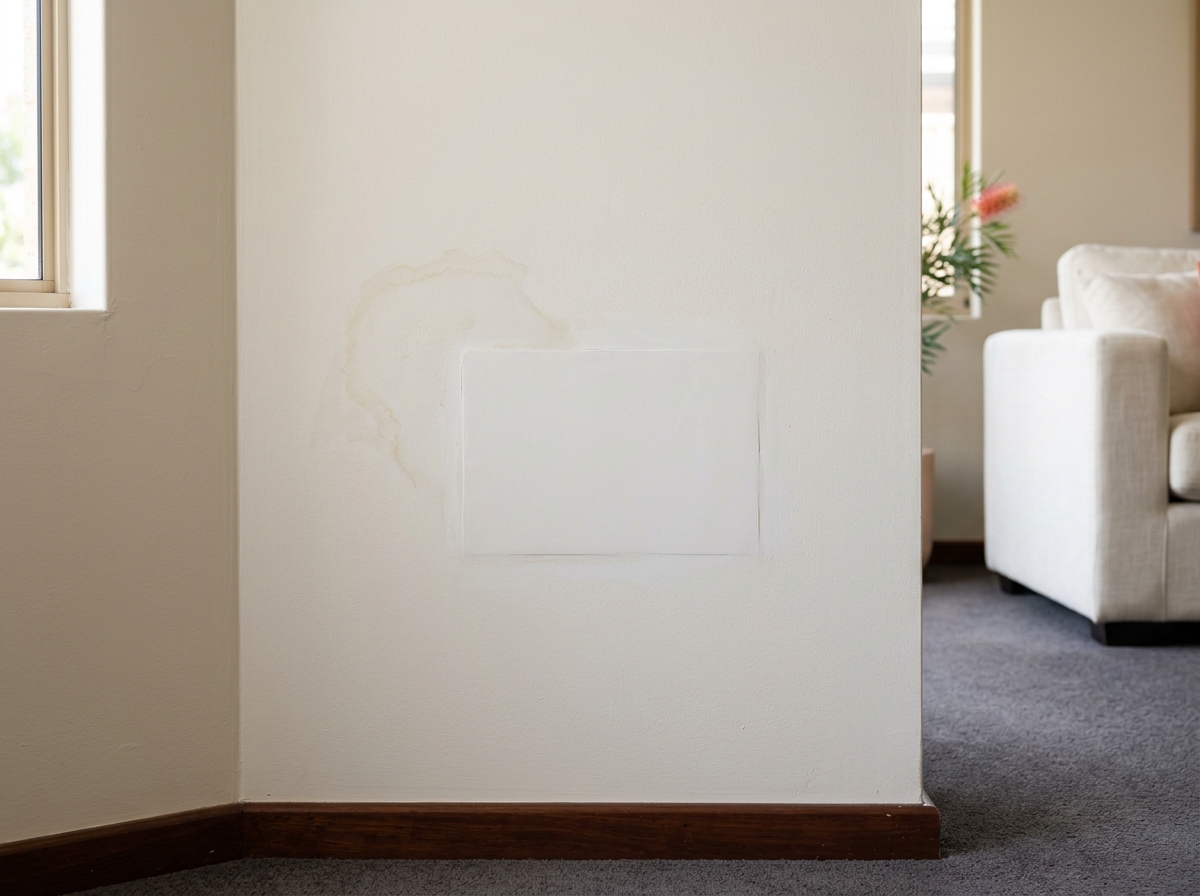
    Close editorial photograph of a completed wall repair in an Australian home: a smooth rectangular fresh-plaster and primer patch with feathered edges, completely intact with no crack, gap, split, hole or bubbling paint, beside a faint dry historic beige water stain that remains relevant to disclose. No people, hands, tools, labels, text or active dampness.

    Tell the agent about known defects or events that could affect the buyer’s assessment. Common examples include:

    • structural movement or major cracking
    • recurring water ingress, flooding or drainage problems
    • termite damage or treatment history
    • unapproved building work known to the seller
    • significant electrical, plumbing or roof defects
    • contamination or hazardous materials known to be present
    • boundary, access or encroachment disputes
    • insurance claims connected with major property damage
    • notices, orders or unresolved council matters

    This does not mean a seller must diagnose problems they do not know about. It means information supplied to the agent should be factual, current and complete enough for accurate marketing. The WA Consumer Protection selling guide warns that false or misleading claims can occur verbally, in writing or through photographs.

    Avoid replacing facts with vague assurances. “The roof has never leaked” is unsafe if there was water ingress two winters ago. A better record states what occurred, when it was repaired and which invoice or report supports the explanation.

    What documents should a Perth seller gather before listing?

    Neat seller document pack with no people: four completely closed, plain unmarked folders of different thicknesses, three unmarked photo cards showing a Perth home exterior, patio and roof, and realistic house keys on a timber table. No open documents, plans, invoices, text, numbers, stamps, signatures, lines, logos or addresses.

    A document pack helps the agent identify issues before photography, buyer enquiries and contract preparation. Gather what is relevant to the property:

    • current Certificate of Title details
    • approved plans and building permits in your possession
    • warranties and invoices for major work
    • recent building, pest or engineering reports
    • pool or spa compliance information
    • lease, property-management records and bond details for a tenanted home
    • strata notices, by-laws, levy information and meeting records for a strata lot
    • easement, covenant or access information already known to you
    • notices from a council, utility or other authority

    Your agent must obtain a copy of the Certificate of Title as part of the sale process. A settlement agent or lawyer can advise on title interests and contract implications. For complex ownership or documentation, start that work before the campaign date is fixed.

    What must be disclosed when selling a strata property in WA?

    A WA strata seller must give the buyer compulsory information about the strata scheme and the lot. Consumer Protection’s selling-a-property guidance identifies Form 28, Form 29, the strata plan and applicable by-laws among the information to be provided.

    Landgate explains that this upfront information helps buyers assess the scheme’s financial position, community and likely ongoing costs. Its resources for strata buyers advise buyers to review the information before signing an offer and acceptance contract.

    A practical seller pack may also include current levy notices, recent meeting minutes, the scheme budget and information about proposed major works. Some records may be compulsory while others answer predictable buyer questions. Confirm the current statutory forms and timing with your agent or settlement adviser.

    Strata disclosure is especially important when marketing through an apartment and investment property service, because buyers often compare both the lot and the scheme.

    How should renovations and approvals be described?

    Recently renovated Perth patio visible through an open door, with a completely closed plain approval folder and a small clean architectural patio model on the foreground table. No tape measure, tools, paper, text, numbers, stamps, logos, labels or people. Realistic construction and safe crop.

    Describe renovations by what can be proved. If an extension, patio, pool, studio or internal alteration required approval, do not label it “approved” unless the records support that statement.

    Check your files and ask the relevant local government about available property records. The absence of a document does not always prove that work was unapproved, but it does mean the claim needs investigation. If retrospective approval or specialist advice is required, deciding early protects the campaign timetable.

    Marketing photographs also need context. A photograph should not hide a known physical issue or imply that an excluded item forms part of the sale. The contract should clearly identify fixtures, chattels and exclusions.

    How do accurate advertising and disclosure work together?

    Accurate advertising begins with accurate seller information. Give the agent enough detail to check claims about land size, zoning, school catchments, views, development potential, inclusions and improvements.

    Good practice is to separate three kinds of statement:

    • Verified fact: supported by a title, plan, approval or authoritative source.
    • Professional opinion: clearly expressed as an appraisal, estimate or market view.
    • Buyer investigation: an issue the buyer should confirm with an adviser or authority.

    For example, “development potential” should not be presented as a certainty without planning confirmation. A factual description can identify the zoning and invite buyers to make independent enquiries about their proposed use.

    When should disclosure happen during the sale?

    Material information should be raised early enough for the buyer to consider it before becoming bound. Waiting until a final inspection can turn a manageable fact into a serious dispute.

    Use this sequence:

    1. Before appointment: tell the agent about known issues and supply records.
    2. Before marketing: check factual claims, inclusions, plans and photographs.
    3. Before offers: make required property-type information available and identify matters needing contract treatment.
    4. During negotiation: answer questions accurately and record important clarifications in writing.
    5. Before settlement: report material changes, new damage or failures rather than concealing them.

    An experienced Perth residential sales process should make fact-checking part of campaign preparation, not an afterthought.

    What happens if a seller is unsure whether to disclose something?

    If the issue could influence a reasonable buyer, disclose it to the agent and seek advice on how it should be handled. The solution may be a factual statement, supporting document, special condition, repair, price consideration or buyer due diligence.

    Do not ask an agent to omit or soften a fact in a misleading way. Consumer Protection says agents must act in the seller’s best interests while also complying with Australian Consumer Law and providing buyers truthful, relevant information.

    A careful disclosure process does not weaken a campaign. It gives the market a clear account of what is being sold and reduces surprises that can derail a strong offer.

    Frequently asked questions about WA seller disclosure

    Does “buyer beware” mean a WA seller can stay silent?

    No. Buyers must make their own enquiries, but sellers should still give their agent accurate information and must not participate in misleading conduct. Known material facts and property-specific statutory information need careful handling.

    Must a seller provide a building inspection report?

    Not in every sale. A seller may choose to obtain reports, while a buyer may negotiate an inspection condition. Existing reports and known defects should be discussed with the selling agent and legal adviser.

    Should a repaired defect still be mentioned?

    A major or recurring defect may remain relevant after repair. Keep invoices, reports and warranties, and ask for advice on the clearest factual disclosure for the circumstances.

    Prepare a fact-based sale campaign

    A well-prepared campaign combines accurate records with clear buyer communication. If you are planning a Perth sale, discuss the property history, documents and positioning during a property appraisal before marketing begins.

    This article provides general information for Western Australia and is not legal advice. Disclosure duties and contract consequences depend on the facts. Obtain advice from a licensed settlement agent or lawyer for your sale.

  • How to Prepare Your Perth Home for Sale: Room Checklist

    How to Prepare Your Perth Home for Sale: Room Checklist

    To prepare a home for sale in Perth, repair obvious defects, deep-clean every room, reduce clutter and make access easy. Improve light and presentation only where the work helps buyers understand the property’s space, condition and lifestyle. The campaign should look cared for without turning preparation into an open-ended renovation.

    This room-by-room checklist helps sellers prioritise work that can be completed, photographed and maintained throughout a Perth sale campaign.

    Where should home preparation begin?

    Home preparation should begin with a written walk-through before any decorating or shopping. View the property from the street, move through it in the order a buyer will and photograph each space. Photos often reveal clutter, worn finishes and blocked sightlines that become familiar in daily life.

    Sort every task into four groups:

    1. Repair: defects, loose fittings, damaged finishes and items that do not work.
    2. Clean: surfaces, glass, grout, appliances, outdoor areas and odours.
    3. Reduce: excess furniture, personal items, crowded storage and visual noise.
    4. Style: lighting, layout, linen, art and plants that clarify how the space works.

    Ask for a property appraisal before committing to major work. The likely buyer, competing stock and expected price bracket should shape where the budget goes.

    How should you prepare the front of the property?

    Freshly swept path, tidy native planting, clean windows and an unobstructed front door of a believable single-storey Perth home in soft morning light. No house numbers, letterbox markings, street signs, vehicles or logos.

    The front should look cared for and easy to enter. Buyers form their first physical impression before they reach the door, and poor access can dominate the opening minutes of an inspection.

    Check:

    • street number is visible
    • paths, steps and handrails are safe
    • gates, locks and doorbells work
    • weeds, leaves and cobwebs are removed
    • lawns and garden edges are neat
    • bins, hoses and loose tools are stored
    • exterior lights operate
    • the front door and hardware are clean
    • vehicles do not block the façade or access

    For an apartment, apply the same principle to the entry door, intercom, balcony and allocated parking or storeroom. Common-property issues should be raised with the strata manager rather than altered without approval.

    How do you prepare living and dining areas for sale?

    Living and dining areas should show circulation, scale and a clear use. Remove furniture that narrows walkways or makes the room feel smaller, even if that piece is useful in daily life.

    Use this checklist:

    • leave a clear route between doorways and outdoor areas
    • centre furniture around the room’s strongest feature
    • remove excess side tables, toys and electronics
    • conceal cables and overloaded power boards
    • clean windows, tracks, fans and light fittings
    • replace failed globes with consistent colour temperature
    • use a dining setting that suits the room’s true capacity
    • open blinds or curtains without exposing damaged views

    Keep styling restrained. A few well-scaled pieces read better than many small objects. The goal is not to erase character but to help buyers imagine their own furniture in the space.

    What should you do in the kitchen before listing?

    Bright, decluttered Perth kitchen framed around a clean island bench, spotless sink, tap, aligned handleless cabinetry and one restrained plant. Do not show oven, fridge, dishwasher, cooktop, appliance control panels, product packaging or cropped cabinetry. No text, logos, labels, screens or lettering.

    A sale-ready kitchen should feel clean, functional and easy to maintain. Buyers notice worktops, storage, appliance condition and signs of moisture.

    Complete these tasks:

    • degrease the rangehood, splashback and cabinetry
    • clean the oven, cooktop and dishwasher edges
    • repair loose handles, hinges and soft-close hardware
    • clear most items from the benchtop
    • remove magnets, paperwork and personal schedules
    • organise visible pantry and open-shelf storage
    • check taps, plugs and under-sink pipes for leaks
    • empty bins and remove strong cooking odours
    • polish sinks and stainless-steel surfaces

    Do not hide a known defect behind styling. The WA Consumer Protection selling guidance says information provided to the agent should be factual and advertising must not be false or misleading.

    How should bathrooms and laundries be prepared?

    Bathrooms and laundries should look dry, ventilated and hygienic. Address the source of recurring moisture rather than painting over a symptom.

    Focus on:

    • grout, silicone and soap residue
    • exhaust fans and ventilation
    • dripping taps or running toilets
    • water marks under cabinets
    • mirrors, shower screens and chrome
    • worn towels and bathmats
    • crowded vanity and laundry products
    • loose toilet seats, hooks and handles
    • floor drains and visible waste areas

    Use fresh, neutral linen for photography and inspections. Store daily products in an easy-to-reach box so the room can be reset quickly.

    How do you prepare bedrooms and storage?

    Bedrooms should communicate restful space and usable storage. A room overloaded with furniture can make both floor area and wardrobes difficult to judge.

    Prepare each bedroom by:

    • choosing a bed size that fits the room comfortably
    • creating clear access to wardrobes and windows
    • using simple, coordinated linen
    • removing highly personal photographs and valuables
    • reducing clothing and items in wardrobes
    • repairing damaged blinds, doors and handles
    • checking lights, fans and air-conditioning controls
    • clearing items from under beds if visible

    Buyers often open built-in storage with permission. Half-empty shelves give a clearer sense of capacity than tightly packed cupboards. Move excess belongings to secure off-site storage where possible rather than filling the garage.

    What should be checked in home offices and flexible rooms?

    Flexible rooms need one convincing primary purpose. A spare room that is simultaneously an office, gym, storeroom and guest room can appear smaller than it is.

    Choose the use most relevant to the likely buyer and keep only the furniture needed to demonstrate it. Secure work documents, medications, keys and identity records before every inspection. Remove monitors or valuables if they cannot be safely stored.

    If the room could be marketed as a bedroom, studio or study, make only claims supported by the property’s lawful configuration and records. Ask the agent how to describe it accurately.

    How should outdoor areas be prepared for Perth buyers?

    Shaded Perth patio with swept paving, trimmed drought-tolerant planting, clear side access and realistic sun protection in bright Australian daylight. Show manageable upkeep and usable circulation, no people, signage or pool hazards.

    Outdoor areas should show shade, access, drainage and a manageable level of upkeep. Perth’s bright conditions can make dust, faded surfaces and neglected planting especially visible in photographs.

    Check:

    • patios, paving and balconies are swept and washed
    • outdoor furniture suits the space
    • gardens are trimmed without blocking windows
    • reticulation leaks and broken fittings are addressed
    • pool and spa areas are clean and secure
    • side access is clear
    • sheds and storerooms can be opened safely
    • pet waste and strong odours are removed
    • exterior lights and gates work

    Do not make structural or strata-common-property changes without the right approval. For pools, electrical items, smoke alarms and other compliance matters, obtain current advice appropriate to the property before sale.

    What should you repair before selling and what can wait?

    Repair items that interrupt trust, access or normal operation. Cosmetic work should be judged by likely buyer response, total cost and campaign timing.

    Use a simple decision test:

    • Fix now: active leaks, unsafe access, failed locks, broken fixtures, visible damage and agreed compliance work.
    • Price and disclose: larger issues where a rushed repair may not be economical or appropriate.
    • Improve selectively: paint, flooring or landscaping where the current condition materially weakens presentation.
    • Leave alone: personal taste changes without evidence they will improve the sale outcome.

    Request itemised quotes and allow for delays. A half-finished improvement is usually worse than a clean, accurately presented property with a clear scope.

    How do you keep the home inspection-ready?

    Create a short reset routine for the campaign:

    • open blinds and turn on necessary lights
    • make beds and clear benches
    • empty bins and sinks
    • remove pet bowls, litter and waste
    • set a comfortable temperature where practical
    • secure valuables and documents
    • park away from key sightlines
    • leave the agent clear access

    Plan where occupants and pets will go during inspections. A calm, uncluttered inspection helps buyers focus on the property rather than the household’s logistics.

    The residential property sales service can coordinate presentation with photography, pricing and inspection strategy so each part supports the same buyer proposition.

    Frequently asked questions about preparing a Perth home for sale

    Should I renovate before selling my Perth home?

    Only when the likely improvement in marketability justifies the cost, delay and risk. Start with cleaning, repairs and presentation, then assess larger work against local buyer expectations and comparable properties.

    Is professional styling necessary?

    No. Styling can help an empty, unusually proportioned or premium property, but many homes need only editing, furniture rearrangement and consistent presentation. Ask for options at different budgets.

    Should the home be empty during inspections?

    Occupants usually create a better inspection environment by leaving while buyers view the property. Secure valuables, arrange pets and let the agent manage questions and visitor movement.

    Turn preparation into a focused campaign plan

    The right checklist is specific to the property’s buyer, condition and competition. For clear priorities before spending, arrange a Perth property appraisal and map preparation to the intended campaign.

    This article provides general information. Building, safety, strata and legal requirements vary by property. Obtain licensed advice for repairs, approvals and compliance work.

  • Questions to Ask a Real Estate Agent Before Selling in Perth

    Questions to Ask a Real Estate Agent Before Selling in Perth

    Before appointing a real estate agent to sell your home, ask: What comparable sales support the price range? Which buyers will you target? What selling method do you recommend and why? What is included in the commission and marketing budget? Who will manage enquiries and inspections? How often will you report? How will you negotiate offers? What does the written authority commit me to?

    These questions to ask a real estate agent before selling test pricing evidence, campaign strategy, costs, communication and accountability. Use the same questions with each Perth agent so you can compare like with like.

    Are you licensed and who will handle my sale?

    Confirm the agency licence and the registration or licence of the person who will conduct the work. Ask who will attend appraisals, buyer callbacks, home opens, negotiations and contract signing.

    The WA Consumer Protection selling guide says a selling agent must be licensed, or employed and authorised by a licensed agent as a registered sales representative. You can use the WA Government’s linked licence search to check credentials.

    Useful follow-up questions include:

    • Will I deal with the appraiser or a team member after signing?
    • Who answers buyer enquiries outside office hours?
    • Who conducts negotiations?
    • Who covers inspections if the lead agent is unavailable?
    • How many active listings will the team manage during my campaign?

    A team model can work well when roles are clear. The warning sign is not delegation itself but an unclear handover after the appointment is secured.

    How did you calculate the recommended price range?

    Anonymous hands comparing several unbranded property photo cards of similar Perth homes and neutral wooden value markers on a table. Evidence-based comparable analysis conveyed visually, with no text, numbers, arrows, maps, addresses or screens.

    Ask the agent to show the evidence behind the appraisal. Relevant comparable sales should be recent, local and similar enough to explain, not simply the highest figures available.

    Discuss:

    • land size, accommodation and condition differences
    • street position and outlook
    • renovations and build quality
    • title type and development constraints
    • time on market and sale method
    • competing properties currently available
    • adjustments made between each comparable and your home

    A property appraisal is a professional opinion based on market evidence, not a guaranteed sale price. Be cautious when an agent gives an unusually high figure but cannot explain how buyers will support it.

    Who is the likely buyer for my property?

    A useful campaign has a buyer hypothesis. Ask the agent who is most likely to value the property and what evidence supports that view.

    The answer should connect property features to real buyer needs. For example, a lift-access apartment, a family home near local facilities and a development site attract different enquiry and require different information.

    Ask:

    • Which buyer groups inspected similar properties?
    • What objections did they raise?
    • Are likely buyers local, interstate or investor-led?
    • Which property features deserve priority in the campaign?
    • Which facts or documents will buyers ask for early?

    The agent should also explain what would change the hypothesis once live enquiry arrives. A strategy is stronger when it can adapt to evidence.

    Which method of sale do you recommend and why?

    Ask the agent to compare private treaty, auction and expressions of interest for your property. The recommendation should reflect buyer depth, pricing confidence, timing and the kind of competition the campaign can create.

    Consumer Protection says the agent’s suggested method should be supported by recent sales data. A thorough Perth selling strategy should explain how the method affects pricing, inspections, offer management and the decision timetable.

    Ask what happens if the initial approach does not produce the expected response. The agent should describe the review points without treating price reduction as the only possible adjustment.

    What exactly is included in the marketing plan?

    Unbranded property-marketing toolkit on an ivory table: plain matte camera viewed from the lens side so no rear screen or controls are visible, compact unmarked light, small physical floor-layout model and three blank campaign photo cards. No brand marks, Greek letters, buttons with glyphs, text, numbers, symbols, QR codes or paper floor plan.

    Request an itemised campaign proposal with deliverables, costs and approval points. Ask what each component is expected to achieve.

    Check:

    • photography, video and floor plans
    • copywriting and campaign messaging
    • portal listing level and duration
    • signboard and print materials
    • database and direct buyer outreach
    • social distribution, if proposed
    • auction or event costs
    • upgrade and cancellation terms

    WA Consumer Protection says an agent cannot charge more for advertising or other outgoings than the seller authorised in writing or than the agent paid. It also notes that marketing costs may remain payable if the property does not sell unless the authority says otherwise.

    Ask to approve material factual claims before launch. Accurate advertising protects the seller and gives buyers confidence in the campaign.

    How are your selling fee and other charges calculated?

    Ask for the dollar result of the proposed commission at several likely sale prices. This makes a percentage or tiered formula easier to understand.

    Clarify:

    • whether GST is included
    • fixed, percentage or tiered components
    • any offering or auction fee
    • when commission becomes payable
    • fees if the property does not sell
    • marketing payment timing
    • third-party costs and rebates
    • costs for withdrawing or changing the campaign

    Consumer Protection confirms that commission is negotiable and must be recorded in the written authority. Compare the full proposal and expected service, not only the lowest fee.

    What does the written authority commit me to?

    The written authority is a legally binding appointment contract. Read it carefully and ask the agent to explain every commercial term before signing.

    Important questions include:

    • How long is the exclusive-rights period?
    • Can the authority be ended early, and on what terms?
    • Could commission remain payable after the authority ends?
    • What happens if I find the buyer privately?
    • Which expenses can be incurred without further approval?
    • Is an offering fee payable without a completed sale?
    • How are changes recorded?

    Consumer Protection says most exclusive appointments may entitle the agent to a selling fee if the property sells privately or through another agent during the exclusive period. Some authorities may also address buyers introduced during or shortly after that period. Obtain legal advice if a term is unclear or concerning.

    How will you manage inspections and buyer feedback?

    Contextual 4:3 text-free buyer-feedback still life with no people: three unmarked Perth property photo cards, each paired with a different plain blank speech-bubble-shaped wooden tile in restrained coral, charcoal and ivory, beside a completely closed notebook and house keys. The speech-bubble shapes clearly convey comments and feedback without words, writing, numbers, ratings, icons or logos.

    Ask how inspections will be scheduled, recorded and followed up. Buyer feedback should be useful enough to guide decisions without turning isolated comments into false market evidence.

    A practical reporting system covers:

    • number and source of enquiries
    • inspection attendance
    • repeat visits and document requests
    • buyer readiness and finance position where known
    • common objections
    • price feedback with context
    • competing listings or sales
    • recommended action and rationale

    Ask when you will receive the report and who will deliver it. Written reporting creates a clearer record than scattered phone updates.

    How will you handle and present offers?

    Ask the agent to explain the path from verbal interest to a written offer. Price matters, but sellers also need to compare deposit, finance, inspections, settlement date, inclusions and other conditions.

    Consumer Protection says agents must act in the seller’s best interests, follow lawful instructions and communicate through the sale process. Discuss:

    • how all offers will be documented and presented
    • whether competing buyers will be notified
    • how buyer capacity and conditions will be assessed
    • how counteroffers will be recorded
    • when a settlement agent or lawyer should advise
    • how privacy and fairness will be maintained

    The agent should present options and evidence without making the seller feel rushed past contract advice.

    What happens if the campaign underperforms?

    Ask for review points before the campaign starts. Define which signals would justify a change in presentation, messaging, inspection timing, price guidance or sale method.

    Useful questions are:

    • When will we review the first week of enquiry?
    • Which metrics matter beyond portal views?
    • How will you distinguish a marketing issue from a pricing issue?
    • What changes can be made without new cost?
    • Which costs need fresh written approval?
    • How will feedback be tested against actual offers?

    A clear answer shows the agent can manage uncertainty, not only launch a listing.

    Frequently asked questions about choosing a Perth selling agent

    Should I choose the agent who gives the highest appraisal?

    No. Choose the proposal with the strongest evidence and clearest plan. A high appraisal without comparable support can lead to poor early positioning and a longer campaign.

    How many agents should I interview?

    Interview enough agents to compare evidence, service and contract terms confidently. Using the same written questions with each one matters more than reaching a particular number.

    Is the cheapest commission the best value?

    Not necessarily. Compare the likely net result, campaign quality, negotiation process, communication and all written costs. The lowest fee can be poor value if the service or outcome is weaker.

    Choose a process you can evaluate

    The right agent should make pricing, marketing, feedback and negotiation understandable before you sign. To compare your options against a clear local plan, arrange a selling and appraisal conversation.

    This article provides general information for Western Australia and is not legal advice. Read the written authority and obtain independent advice on terms you do not understand.

  • Costs of Selling a House in WA: A Perth Budget Guide

    Costs of Selling a House in WA: A Perth Budget Guide

    The costs of selling a house in WA include real estate agent commission, marketing, photography, property preparation, settlement-agent fees, mortgage discharge fees, council and water adjustments, moving and any repairs negotiated before settlement. Because agent, campaign and repair costs vary, a Perth seller should request written quotes and model net proceeds at several sale prices.

    This guide shows where each cost arises, what to ask before signing and how to build a sale budget without relying on a misleading one-size-fits-all percentage.

    What costs should a WA property seller budget for?

    A WA property seller should budget for six main cost groups:

    1. Agent fees: commission or a fixed selling fee, plus any separate offering fee.
    2. Marketing: photography, floor plans, copywriting, online listings, signage and print advertising.
    3. Property preparation: cleaning, repairs, gardening, styling and compliance work.
    4. Settlement: the settlement agent or lawyer’s professional fee and relevant disbursements.
    5. Loan and ownership costs: mortgage discharge charges, rates and other adjustments.
    6. Moving and post-sale costs: removalists, storage, insurance and temporary accommodation where needed.

    Not every seller will incur every item. The value of a written budget is that it separates must-pay costs from optional campaign choices before money is committed.

    How are real estate agent fees calculated in WA?

    Real estate agent fees in WA are negotiable. They may be a percentage of the sale price, a fixed fee or a combination. The agreed calculation must appear in the written authority appointing the agent.

    The WA Consumer Protection guidance for selling a property says sellers should check the commission, offering fee, maximum marketing expenses, other costs and the exclusive-rights period before signing. It also explains that most agents receive their commission when the sale completes.

    Compare proposals on more than the headline rate. Ask each agent to show:

    • the estimated fee at several realistic sale prices
    • whether GST is included
    • when the fee becomes payable
    • whether an offering fee applies if the property does not sell
    • what happens if a buyer introduced during the authority period purchases later
    • which services are included rather than charged separately

    A lower percentage does not automatically produce a lower final cost. The likely sale result, campaign quality, communication and contract terms all matter.

    What property marketing costs should be included?

    Contextual 4:3 editorial tabletop still life explaining property photography as a marketing cost: front glass element of one plain unbranded camera lens, a small realistic Perth living-room architectural model, a compact plain light diffuser and a folded neutral photography cloth arranged cleanly on an ivory surface. No full camera body, tripod blocking a room, people, screens, controls, marks, glyphs, logos, text or numbers.

    A property marketing budget may include professional photography, floor plans, copywriting, premium property-portal placement, a signboard, brochures, database promotion and auction-related advertising. The right mix depends on the likely buyer pool and sale method.

    Under the Consumer Protection guidance, agents cannot charge more for advertising or other outgoings than the seller authorised in writing or than the agent paid. Marketing is commonly payable even if the property does not sell, unless the written authority contains a different arrangement.

    Ask for an itemised plan that states:

    • each channel and deliverable
    • the total cost, including GST
    • which items are optional
    • whether upgrades can be approved later
    • what happens to unused funds
    • whether any supplier rebate or relationship exists

    Marketing should have a defined job. For example, strong photography may help buyers understand light, layout and finish, while a floor plan helps them test whether the home suits their needs. Spending without a clear audience or purpose is not a strategy.

    Which preparation costs are worth considering before sale?

    Practical preparation in a sunlit Perth living room: anonymous hands applying painter tape beside a small repaired wall detail, with cleaning cloth and simple tool tray nearby. Show targeted maintenance rather than renovation, no packaging labels or markings.

    Preparation costs should remove distractions, make the property easy to inspect and address issues that could interrupt a sale. They do not need to turn the home into a renovation project.

    Start with a walk-through and divide work into three groups:

    • Essential: safety, access, active leaks, broken fixtures and known compliance items.
    • Presentation: deep cleaning, garden maintenance, touch-up paint and minor repairs.
    • Optional: styling, furniture hire or larger improvements that need a clear market case.

    WA sale contracts can allocate responsibility for matters such as working fixtures, pool fencing, residual-current devices and smoke alarms. The Consumer Protection guide to offer and acceptance contracts outlines several seller obligations commonly addressed by the General Conditions. Confirm the current requirements for your property with the appropriate licensed professional before listing.

    For a broader campaign plan, the Perth property selling service explains how preparation, pricing and the method of sale fit together.

    What settlement and legal costs does a WA seller pay?

    Editorial legal-cost still life with no people: a small unmarked brass balance scale has blank wooden counters on one pan and realistic house keys on the other, beside a completely closed plain conveyancing folder and house model on a pale stone desk. The balance visually connects professional settlement work to seller cost. No paper, pen, text, currency marks, labels, screens or branding.

    A seller usually appoints a licensed settlement agent or a suitably qualified lawyer to manage the transfer. Their work can include preparing documents, checking the title and rates, coordinating mortgage discharge and completing settlement.

    WA Consumer Protection says a settlement agent must give the client a written maximum-fee disclosure before the appointment is signed. Its property settlement guidance also notes that statutory and third-party charges, such as title searches or bank fees, sit outside that disclosed professional fee.

    When comparing quotes, ask what the professional fee includes and which disbursements may be added. Tell the settlement agent early if the property has a mortgage, a deceased-estate issue, multiple owners, a strata title or another feature that may change the scope.

    What happens to rates and other outgoings at settlement?

    Rates and similar property outgoings are adjusted between the parties at settlement. Consumer Protection states that the seller is responsible for rates up to and including settlement day, while the buyer is responsible from the following day.

    An adjustment is not necessarily a new fee. It is an apportionment of an amount already paid or due. Your settlement statement should show each adjustment, the sale proceeds, loan payout and other deductions so you can reconcile the net amount.

    Possible entries include:

    • council and water rates
    • strata levies, where applicable
    • rent or bond adjustments for an investment property
    • mortgage payout and discharge charges
    • agreed credits under the contract

    Review the statement before settlement and query anything you do not recognise.

    How can sellers calculate their likely net proceeds?

    Calculate likely net proceeds with a range, not a single optimistic sale price:

    Estimated sale price minus selling costs minus loan payout equals estimated net proceeds.

    Build low, central and high sale-price scenarios. Use written quotes for commission, marketing and settlement work. Add a contingency for approved repairs and moving. Ask your lender for an indicative payout figure, while recognising that the final amount can change with interest and fees.

    A current property appraisal can give the sale-price assumptions a firmer local basis. It is still an opinion of market value, not a guaranteed result.

    Frequently asked questions about selling costs in WA

    Do WA real estate agents charge a set commission?

    No. WA Consumer Protection states that commission is not a set amount and can be negotiated. The agreed fee and calculation should be recorded in the written authority.

    Do I pay marketing costs if my property does not sell?

    Often, yes. Marketing costs are generally payable even if the property does not sell unless you negotiated a different written arrangement. Check the authority before approving the campaign.

    Is capital gains tax a selling cost?

    Capital gains tax may apply to some property sales, particularly investment properties, but it is a tax outcome rather than an agent or settlement charge. Obtain tax advice based on your ownership, use of the property and records.

    How much does it cost to sell a house in Perth?

    Selling a house in Perth usually costs several percent of the sale price once agent commission, marketing, presentation, settlement fees and adjustments are added together. The exact figure depends on the commission you negotiate, the marketing package you approve and how much preparation the home needs, which is why the sections above break each cost down so you can model your net proceeds before choosing an agent.

    Build the budget before the campaign

    A clear sale budget makes it easier to compare strategies and judge offers against the result that matters: your net position. To test likely pricing, campaign choices and costs for your property, arrange a property appraisal and selling discussion.

    This article provides general information for Western Australia and is not legal, settlement, financial or tax advice. Seek advice for your circumstances before signing documents or making financial decisions.