
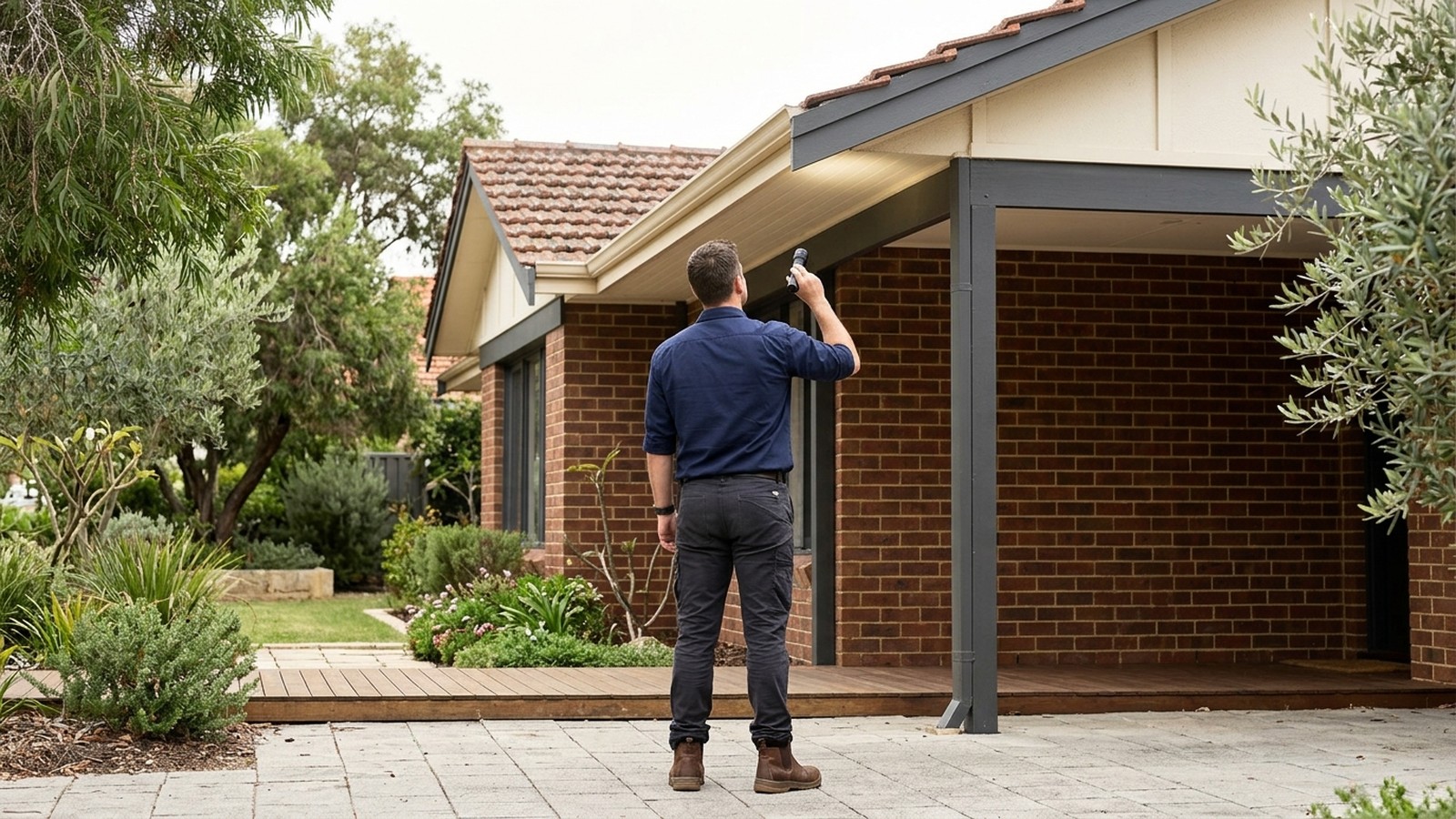
A professional building inspection produces a written report listing faults in the property, whether they can be repaired, and any unsafe renovations or extensions, and in Western Australia you arrange and pay for it yourself as a condition of your offer. A separate timber pest inspection checks for termites, European house borers and other infestations.
That distinction matters more here than in most of the country, because Western Australia has no mandatory seller disclosure statement and no cooling-off period on real estate contracts. The inspection condition is the main formal protection a WA buyer has, and it only works if it is written into the contract before you sign. This guide covers what each inspection actually finds, how to make it a condition, who pays for what, and the compliance items that must be dealt with before a title can transfer.
Do you need a building inspection before buying in WA?
It is not compulsory, but it is the buyer’s main safeguard in a state with no mandatory disclosure statement. Consumer Protection WA is direct about it: when signing a contract of sale, include a condition for a satisfactory building inspection.
You are responsible for hiring and paying a qualified person to do the inspection. That can be a building inspector, a surveyor or an architect. Use a service that carries full professional indemnity insurance, which protects you if the inspection misses a problem that later has to be fixed.
One thing to watch for in a spring market with a lot of stock moving: an “as is” sale means the property is sold in the condition you viewed it, and the seller will not agree to special conditions such as building and pest inspections (Consumer Protection WA). If an offer is being sought on that basis, you are being asked to take the condition risk yourself. Price it accordingly, or inspect before you offer.
What is the difference between a building inspection and a timber pest inspection?
They look for different things and are usually carried out by different specialists. Buyers frequently assume one covers the other, and it does not.
| Building inspection | Timber pest inspection | Pre-settlement inspection | |
|---|---|---|---|
| Who does it | Building inspector, surveyor or architect | Licensed pest inspector | You, the buyer |
| What it finds | Structural faults, defects, unsafe renovations or extensions | Termites, European house borers, other infestations and the damage they cause | Whether the property is in the same condition as when you inspected it |
| When | During the contract’s condition period | During the contract’s condition period | Shortly before settlement |
| Cost | Paid by the buyer | Paid by the buyer, unless the contract says otherwise | No cost |
| Output | Written report listing faults and whether they are repairable | Written report on infestation and treatment | Your own checklist |
| What it protects | Your ability to renegotiate or withdraw under the condition | The same, plus a treatment plan if you proceed | Your right to raise a change in condition before funds move |
European house borer is a WA-specific concern that east coast buying guides do not mention, which is one more reason to use local advice rather than generic checklists.
Consumer Protection WA publishes a property inspection checklist covering what to look at before you take the keys. It is worth having in hand at every inspection, not just the last one.
How do you make an inspection a condition of your offer?

You write it into the Offer and Acceptance as a special condition, before the contract becomes binding. Once every term is agreed and signed, the opportunity has passed, and WA has no cooling-off period to fall back on.
The condition should specify:
- What inspections are required, naming building and timber pest separately.
- Who arranges and pays for each.
- Who pays for any repairs or treatments that the reports identify.
- The deadline by which the inspections must be completed and any notice given.
- What happens if the report is unsatisfactory, including the ability to cancel the sale if there is substantial structural damage.
- How notice is given, in what form and to whom.
Consumer Protection WA states that the contract should cover who pays for the inspections, who pays for repairs or treatments, and the ability to cancel the sale if there is substantial structural damage. All amendments and extra conditions must be signed and dated by both parties, and conditions should be precisely worded to avoid disputes later.
Get the wording checked. A condition that says only “subject to building inspection” without defining what makes a report unsatisfactory, or how and by when you must respond, may not give you the exit you assumed it did.
What must the seller fix before the title can transfer?
Two electrical safety requirements apply to WA property sales regardless of what the inspection finds, and both must be dealt with before the land title transfers.
- Residual current devices. RCDs protect all circuits supplying power to power points and lights. Two or more must be fitted before the land title is transferred, and they must be installed by a licensed electrical contractor. Building and Energy covers the detail on its residual current devices page.
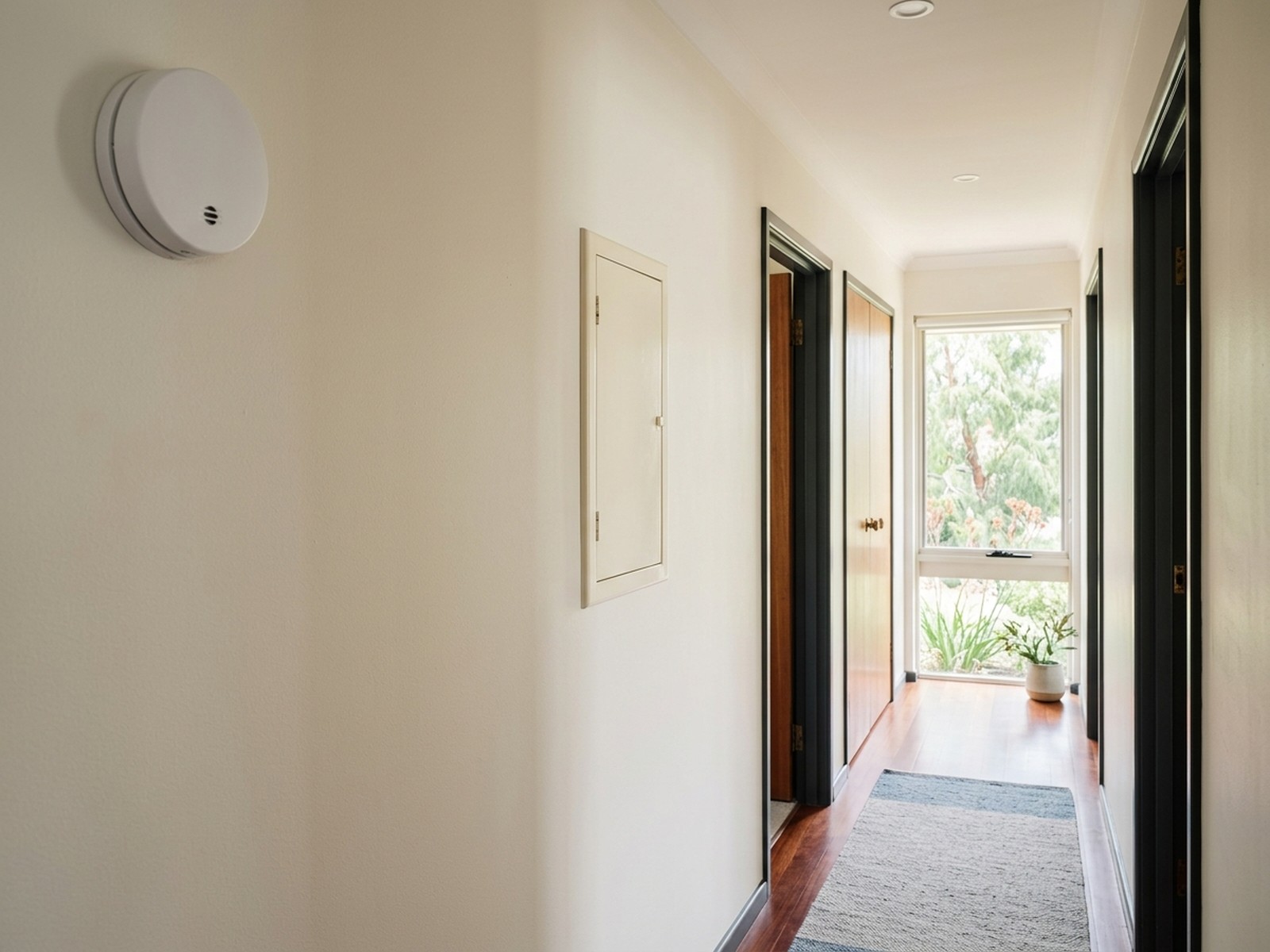
- Smoke alarms. All homes should have mains-powered smoke alarms before a property is sold. They must be in good working order and no more than 10 years old, and must be installed by a licensed electrical contractor. Battery-powered alarms are only permitted where there is no hidden space to run the wiring, such as a concrete ceiling or flat roof. See Building and Energy’s smoke alarms page.
These are separate from anything your inspector raises. Confirm with your settlement agent that both have been satisfied before settlement, because they are a condition of the transfer rather than a negotiating point.
Sellers reading this: knowing where you stand on both items early avoids a scramble near settlement. Our guide to what Perth property sellers should disclose covers the broader obligation.
What should you check at the pre-settlement inspection?
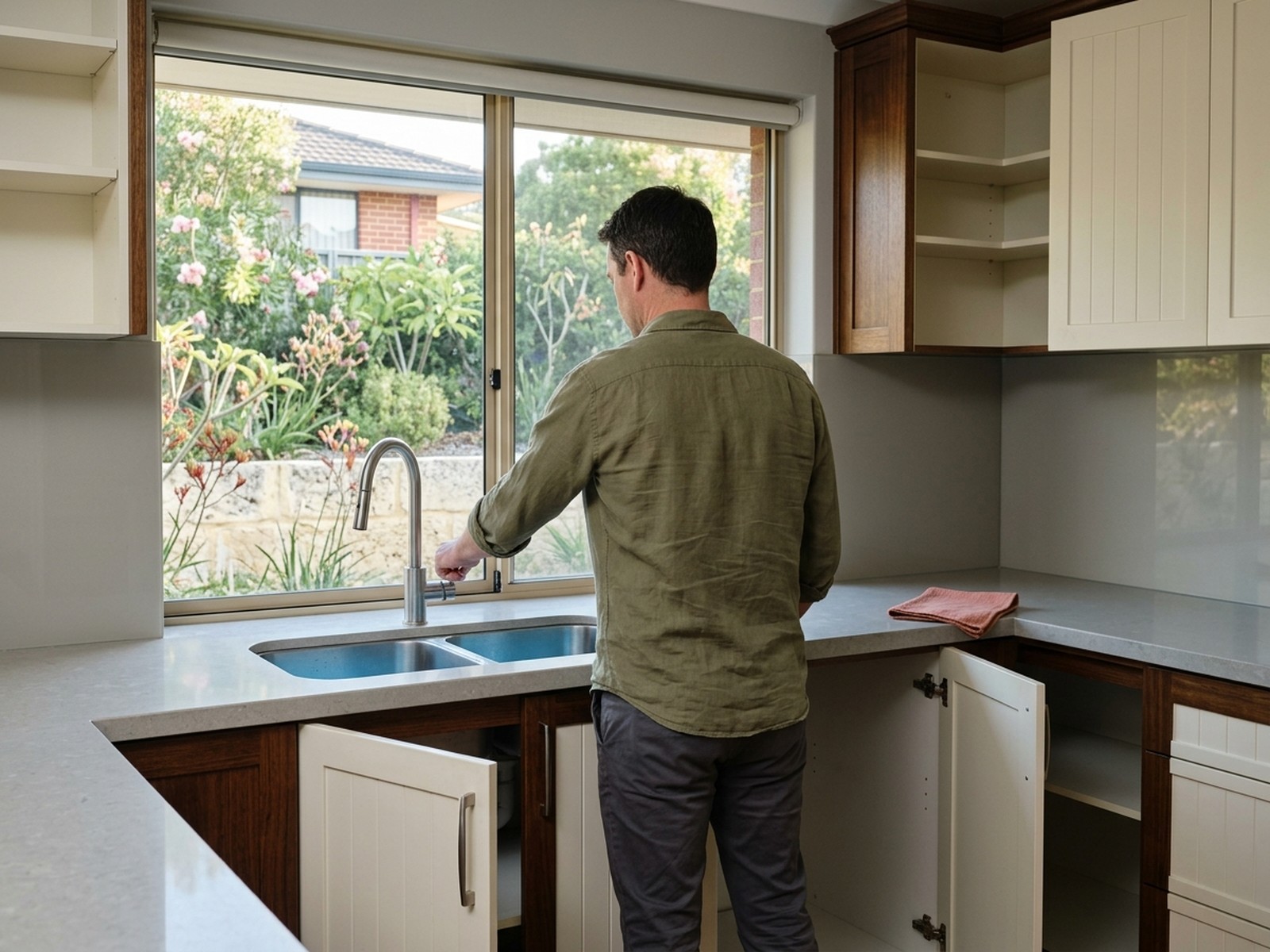
The pre-settlement inspection confirms the property is in the same condition as when you inspected it, unless the contract says otherwise. It is not a second chance to renegotiate the price, and it is not a substitute for a professional report.
Work through the property methodically:
- Everything included in the sale is still there. Fixtures, fittings, appliances, window treatments, remote controls and keys.
- Everything works. Run taps, flush toilets, test the hot water, switch on lights, power points, the oven, the cooktop, air conditioning and any pool equipment.
- Nothing new has been damaged, particularly floors, walls and doorways where furniture has been moved out.
- Agreed repairs have been completed, to the standard the contract specified.
- Rubbish and belongings have been removed, including from sheds, roof space and the garden.
- The gardens and pool are in the condition the contract requires.
Raise anything you find with your settlement agent immediately, before settlement funds move. Consumer Protection WA advises that buyers conduct a thorough inspection before finalising settlement, and the practical reason is simple: your leverage disappears the moment the transfer completes.
What can you do with an inspection report?
A report gives you three options: proceed as agreed, renegotiate, or exercise the condition. It is also a maintenance plan for the years after you move in.
Consumer Protection WA notes you may be able to use the report to negotiate the price and conditions with the seller, or to develop a maintenance program if you decide to buy. In practice:
- Proceed. The report confirms the property is broadly as presented, and you move forward.
- Negotiate. You ask for a price adjustment, or for specified repairs to be completed before settlement, in writing and signed by both parties.
- Withdraw, where the contract’s condition permits it, typically where substantial structural damage is identified.
- Plan. Even a clean report gives you a schedule of what will need attention and roughly when.
What a report is not is a bargaining chip for cosmetic items you could see at the home open. Using it that way tends to harden a seller’s position on the things that actually matter.
Frequently asked questions
Is a building inspection compulsory when buying in WA?
No, it is not compulsory, but Consumer Protection WA advises including a condition for a satisfactory building inspection when you sign a contract of sale. With no mandatory seller disclosure statement and no cooling-off period in WA, it is the buyer’s main protection.
Who pays for the building and pest inspection in Western Australia?
The buyer is responsible for hiring and paying a qualified inspector, unless the contract’s special conditions say otherwise. The contract should also state who pays for any repairs or treatments the reports identify.
Can I cancel a contract because of a bad building report?
Only if the contract’s condition allows it. Consumer Protection WA says the contract should cover the ability to cancel the sale if there is substantial structural damage, so the wording of that condition decides what you can actually do.
What is a timber pest inspection looking for?
Termites, European house borers and other infestations, along with the damage they have caused. European house borer is a particular concern in Western Australia and is one reason to use a local inspector rather than a generic national service.
Do I need an inspection if I am buying at auction?
You need it before the auction, because an auction purchase cannot be made conditional on an inspection or on finance approval. Any reports must be commissioned and paid for before bidding day, with no guarantee you will be the successful bidder.
Does a pre-settlement inspection replace a building inspection?
No. A pre-settlement inspection is your own walk-through confirming nothing has changed since you inspected. A building inspection is a professional assessment by a qualified person, carried out during the contract’s condition period.
Buy with the right checks in the right order
Most buyer problems in Western Australia trace back to a condition that was never written in, or was written too loosely. Getting the inspection condition right before the Offer and Acceptance is signed is worth far more than any amount of diligence afterwards.
See how the Perth buying process is structured, or look at current residential sales across South Perth, Como, Applecross and the riverside south.
Call Brian on 0418 896 354 or email brianmcallister@theagency.com.au. Seven days, by appointment.
This article is general information for Western Australia and is not legal, building or pest control advice. Contract conditions and compliance requirements vary by property. Obtain advice from your licensed settlement agent or lawyer, and engage suitably qualified inspectors, before signing or settling.