

What should property sellers disclose in WA? Sellers should disclose known information that could materially affect a buyer’s decision, keep advertising accurate and provide documents required for the property type. The right disclosure depends on the home, title, contract and facts known to the seller, rather than one universal checklist for every WA sale.
This guide explains material facts, property records, strata information and the timing of a clear, fact-based disclosure process for Perth sellers.
What is a material fact in a WA property sale?
A material fact is information that would be important to an average buyer deciding whether to purchase a property. The fact may affect the property’s use, value, safety or the buyer’s willingness to proceed.
The WA Government’s material fact guidance for home buyers and sellers says agents should disclose facts they know, or ought reasonably to know, that are likely to affect an average buyer’s decision. It also explains that sellers should give their agent relevant information rather than assume silence is safe.
Whether a particular fact is material can depend on context. If you are unsure, raise it with the selling agent and obtain legal advice rather than making a private judgment that it does not matter.
Which property defects should a seller tell the agent about?
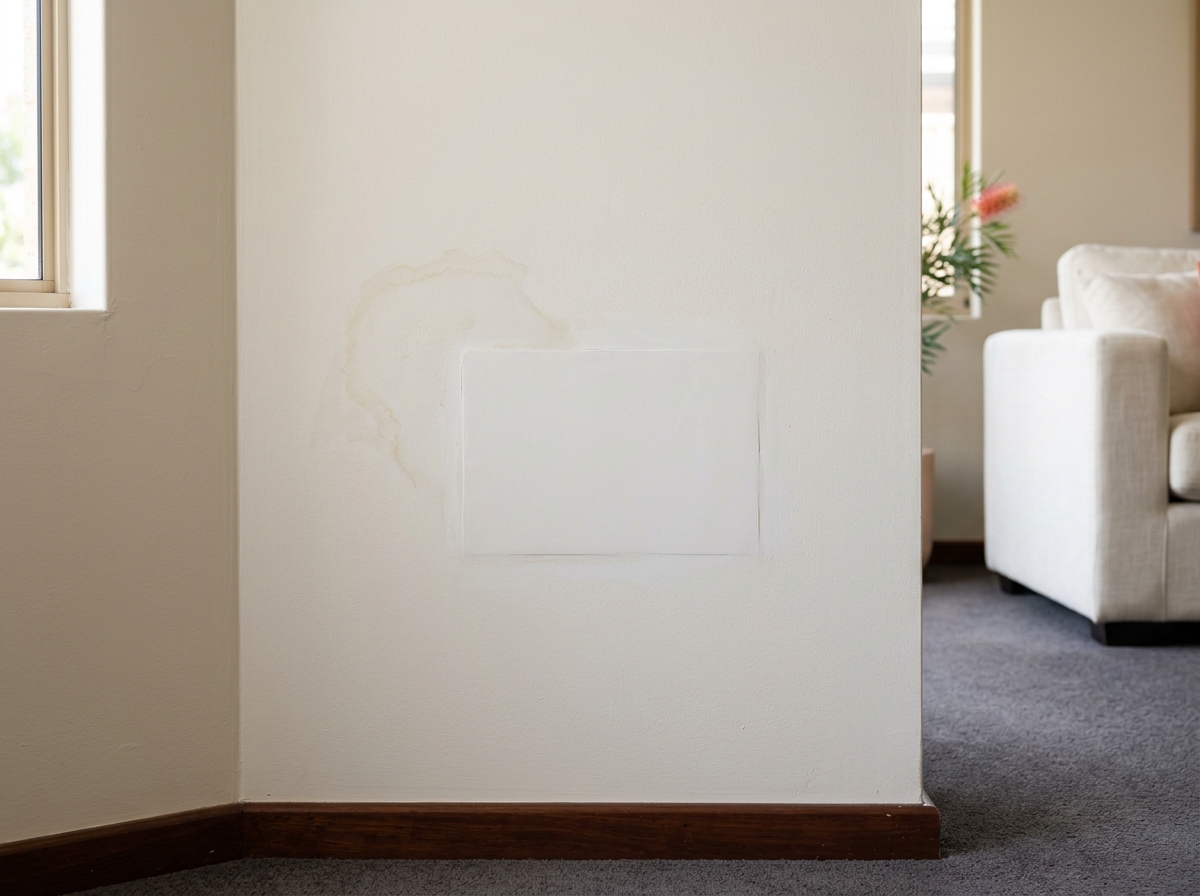
Tell the agent about known defects or events that could affect the buyer’s assessment. Common examples include:
- structural movement or major cracking
- recurring water ingress, flooding or drainage problems
- termite damage or treatment history
- unapproved building work known to the seller
- significant electrical, plumbing or roof defects
- contamination or hazardous materials known to be present
- boundary, access or encroachment disputes
- insurance claims connected with major property damage
- notices, orders or unresolved council matters
This does not mean a seller must diagnose problems they do not know about. It means information supplied to the agent should be factual, current and complete enough for accurate marketing. The WA Consumer Protection selling guide warns that false or misleading claims can occur verbally, in writing or through photographs.
Avoid replacing facts with vague assurances. “The roof has never leaked” is unsafe if there was water ingress two winters ago. A better record states what occurred, when it was repaired and which invoice or report supports the explanation.
What documents should a Perth seller gather before listing?

A document pack helps the agent identify issues before photography, buyer enquiries and contract preparation. Gather what is relevant to the property:
- current Certificate of Title details
- approved plans and building permits in your possession
- warranties and invoices for major work
- recent building, pest or engineering reports
- pool or spa compliance information
- lease, property-management records and bond details for a tenanted home
- strata notices, by-laws, levy information and meeting records for a strata lot
- easement, covenant or access information already known to you
- notices from a council, utility or other authority
Your agent must obtain a copy of the Certificate of Title as part of the sale process. A settlement agent or lawyer can advise on title interests and contract implications. For complex ownership or documentation, start that work before the campaign date is fixed.
What must be disclosed when selling a strata property in WA?
A WA strata seller must give the buyer compulsory information about the strata scheme and the lot. Consumer Protection’s selling-a-property guidance identifies Form 28, Form 29, the strata plan and applicable by-laws among the information to be provided.
Landgate explains that this upfront information helps buyers assess the scheme’s financial position, community and likely ongoing costs. Its resources for strata buyers advise buyers to review the information before signing an offer and acceptance contract.
A practical seller pack may also include current levy notices, recent meeting minutes, the scheme budget and information about proposed major works. Some records may be compulsory while others answer predictable buyer questions. Confirm the current statutory forms and timing with your agent or settlement adviser.
Strata disclosure is especially important when marketing through an apartment and investment property service, because buyers often compare both the lot and the scheme.
How should renovations and approvals be described?

Describe renovations by what can be proved. If an extension, patio, pool, studio or internal alteration required approval, do not label it “approved” unless the records support that statement.
Check your files and ask the relevant local government about available property records. The absence of a document does not always prove that work was unapproved, but it does mean the claim needs investigation. If retrospective approval or specialist advice is required, deciding early protects the campaign timetable.
Marketing photographs also need context. A photograph should not hide a known physical issue or imply that an excluded item forms part of the sale. The contract should clearly identify fixtures, chattels and exclusions.
How do accurate advertising and disclosure work together?
Accurate advertising begins with accurate seller information. Give the agent enough detail to check claims about land size, zoning, school catchments, views, development potential, inclusions and improvements.
Good practice is to separate three kinds of statement:
- Verified fact: supported by a title, plan, approval or authoritative source.
- Professional opinion: clearly expressed as an appraisal, estimate or market view.
- Buyer investigation: an issue the buyer should confirm with an adviser or authority.
For example, “development potential” should not be presented as a certainty without planning confirmation. A factual description can identify the zoning and invite buyers to make independent enquiries about their proposed use.
When should disclosure happen during the sale?
Material information should be raised early enough for the buyer to consider it before becoming bound. Waiting until a final inspection can turn a manageable fact into a serious dispute.
Use this sequence:
- Before appointment: tell the agent about known issues and supply records.
- Before marketing: check factual claims, inclusions, plans and photographs.
- Before offers: make required property-type information available and identify matters needing contract treatment.
- During negotiation: answer questions accurately and record important clarifications in writing.
- Before settlement: report material changes, new damage or failures rather than concealing them.
An experienced Perth residential sales process should make fact-checking part of campaign preparation, not an afterthought.
What happens if a seller is unsure whether to disclose something?
If the issue could influence a reasonable buyer, disclose it to the agent and seek advice on how it should be handled. The solution may be a factual statement, supporting document, special condition, repair, price consideration or buyer due diligence.
Do not ask an agent to omit or soften a fact in a misleading way. Consumer Protection says agents must act in the seller’s best interests while also complying with Australian Consumer Law and providing buyers truthful, relevant information.
A careful disclosure process does not weaken a campaign. It gives the market a clear account of what is being sold and reduces surprises that can derail a strong offer.
Frequently asked questions about WA seller disclosure
Does “buyer beware” mean a WA seller can stay silent?
No. Buyers must make their own enquiries, but sellers should still give their agent accurate information and must not participate in misleading conduct. Known material facts and property-specific statutory information need careful handling.
Must a seller provide a building inspection report?
Not in every sale. A seller may choose to obtain reports, while a buyer may negotiate an inspection condition. Existing reports and known defects should be discussed with the selling agent and legal adviser.
Should a repaired defect still be mentioned?
A major or recurring defect may remain relevant after repair. Keep invoices, reports and warranties, and ask for advice on the clearest factual disclosure for the circumstances.
Prepare a fact-based sale campaign
A well-prepared campaign combines accurate records with clear buyer communication. If you are planning a Perth sale, discuss the property history, documents and positioning during a property appraisal before marketing begins.
This article provides general information for Western Australia and is not legal advice. Disclosure duties and contract consequences depend on the facts. Obtain advice from a licensed settlement agent or lawyer for your sale.