

Buying a strata apartment in WA means assessing two assets: the individual lot and the strata scheme that surrounds it. The apartment’s condition matters, but so do the scheme’s finances, by-laws, insurance, maintenance plans and decision-making record.
WA strata law gives buyers compulsory upfront information. That pack is a starting point, not a substitute for reading the records, inspecting the property and getting advice on the contract.
What information must a WA strata buyer receive?
A WA strata buyer must receive compulsory information about the scheme and the lot. Landgate says this information is designed to help buyers understand the strata community, evaluate the scheme’s financial position and consider ongoing or upcoming costs.
The Landgate resources for strata buyers advise reviewing all seller-provided information before signing an offer and acceptance contract. Consumer Protection’s property-selling guidance identifies key seller material including Form 28, Form 29, the strata plan and applicable by-laws.
Check that the pack relates to the correct lot and current scheme. Ask for missing or unclear documents before relying on a verbal summary.
How should buyers read the strata plan and title?
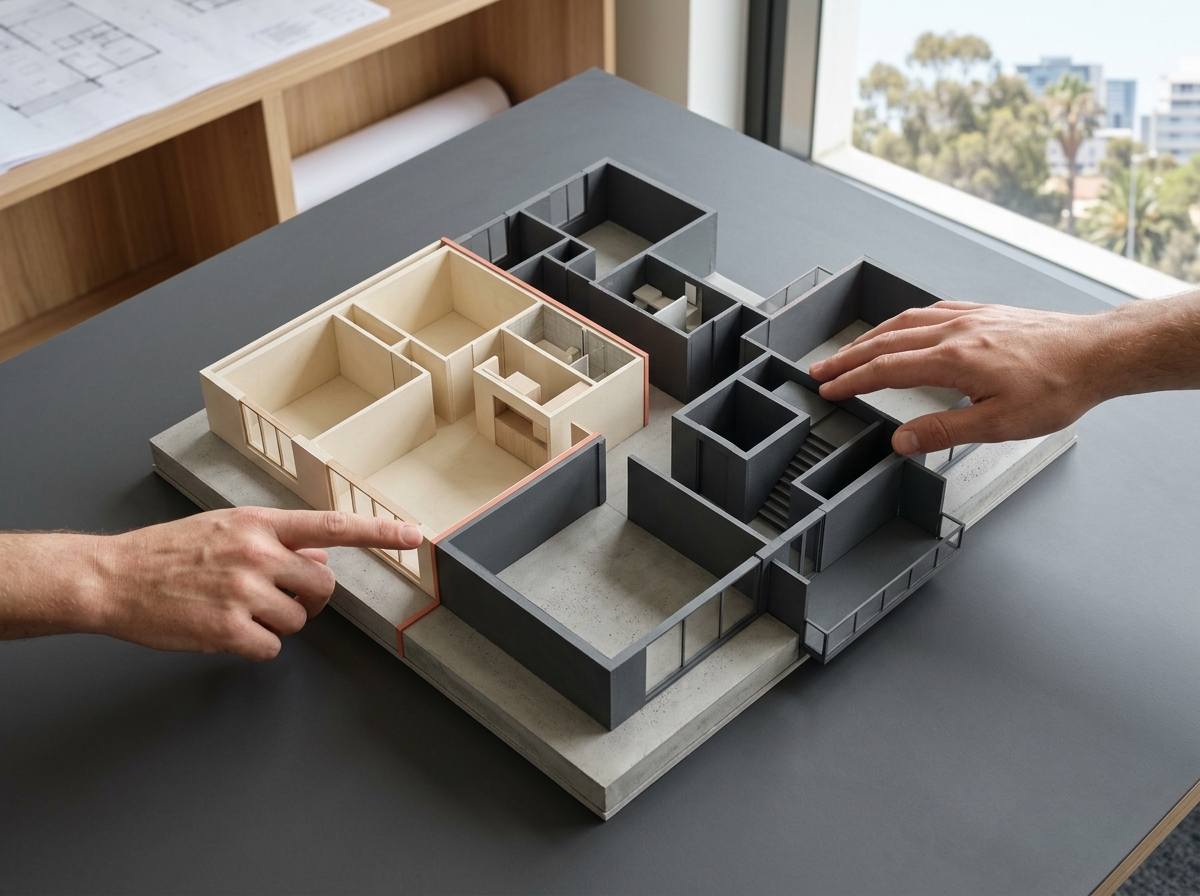
The strata plan shows the lot’s legal boundaries and its relationship to common property. Do not assume a balcony, courtyard, car bay, storeroom or roof space belongs exclusively to the apartment because it appears attached to it.
Confirm:
- the lot number and title details
- the boundaries of the apartment
- whether car bays and storerooms form part of the lot, are separate lots or are allocated common property
- areas subject to exclusive-use by-laws
- easements, restrictions and notations
- unit entitlement, which can affect voting and contributions
A physical inspection and a plan answer different questions. Walk the boundaries with the plan in mind. Ask a licensed settlement agent or lawyer to explain any legal description you do not understand.
Which strata by-laws should buyers check?
By-laws govern how owners and occupiers use lots and common property. They can affect day-to-day life and future plans.
Search for rules covering:
- pets
- parking and visitor bays
- noise and floor coverings
- smoking
- short-stay accommodation
- renovations and approvals
- balcony use and washing
- moving procedures and lift bookings
- use of facilities
- recovery of damage or service costs
Read amendments as well as standard by-laws. A sales listing or owner’s recollection does not override the scheme’s registered rules. If a pet, business, renovation or leasing plan is central to the purchase, obtain advice on the relevant by-law before committing.
How can buyers assess strata levies and the scheme’s finances?

Strata levies fund ordinary operations and longer-term work. A low current levy is not automatically good value if the scheme has deferred maintenance or weak reserves.
Review:
- current administrative and reserve-fund contributions
- payment frequency and due dates
- recent levy increases
- special levies already raised or discussed
- arrears owed to the scheme
- annual budgets and financial statements
- contracts for major services
- expected capital works
Compare money held with the condition and complexity of the property. A small scheme with simple common areas has different needs from a tower with lifts, pools, mechanical ventilation and extensive façades.
Build levies into the total ownership budget alongside loan repayments, rates, utilities, insurance for contents and lot improvements, and maintenance inside the lot. The apartments and investment property service places scheme costs within the wider purchase decision rather than treating them as a footnote.
What do strata meeting minutes reveal?
Meeting minutes can reveal patterns that a current budget does not show. Read several years where available, not only the latest meeting.
Look for repeated discussion of:
- water ingress, concrete damage or cracking
- lifts, fire systems, roofs, windows and plumbing
- defects or warranty claims
- insurance claims and premium increases
- legal disputes
- owner conflict or governance problems
- contractor performance
- proposed upgrades
- special levies or borrowing
A single mention does not prove a major problem. Repeated unresolved references deserve questions, supporting reports and cost estimates. Note whether decisions were completed, postponed or merely removed from later agendas.
Which inspections matter for a strata apartment?

Inspect the apartment and the common property that supports it. A standard viewing rarely tests all systems or accesses roofs, plant rooms and service areas.
Consider professional advice appropriate to the building and your concerns. The Consumer Protection property-buying guide recommends property inspections and points buyers to title and property-interest records.
For the lot, check:
- moisture, ventilation and visible mould
- windows, doors and balcony drainage
- plumbing fixtures and water pressure
- electrical fixtures and air conditioning
- floors, walls and ceilings
- appliances included in the sale
- storage, parking and access
For the scheme, observe façades, roofs visible from accessible areas, paths, retaining walls, garages, lifts, intercoms and shared facilities. Ask who maintains each item because responsibility can depend on lot boundaries, by-laws and the nature of the asset.
What insurance should a strata buyer review?
Ask for the scheme’s current insurance certificate and understand what it covers. Strata insurance commonly addresses the building and common property, but it may not cover the buyer’s contents, personal liability, temporary accommodation or improvements in the way the buyer expects.
Check:
- insured property and declared value
- major exclusions and excesses
- recent claims
- whether any risk or defect has affected terms
- what separate cover the buyer needs from settlement
Do not treat an insurance certificate as proof that every defect will be covered. Insurance, maintenance and construction responsibility are separate questions.
How should investors assess a strata apartment?
An investor should test rental assumptions against the scheme rules, property condition and full ownership costs. Gross rent alone does not reveal the investment’s operating position.
Review:
- by-laws affecting leasing, pets or short stays
- likely tenant demand for the exact layout and location
- management, letting and vacancy assumptions
- recurring and special levies
- maintenance inside the lot
- known capital works
- parking, storage and transport access
- realistic rent supported by current evidence
If the apartment is already leased, review the tenancy documents, rent ledger, bond status, property condition records and access arrangements. Confirm what passes with the sale and obtain property-management and settlement advice.
What should be written into the offer and acceptance?
The offer should reflect the due diligence the buyer actually needs. WA Consumer Protection explains that special conditions in an offer and acceptance should be precise, signed and dated.
Before signing, confirm:
- the lot, car bay, storeroom and included items
- finance details and approval date
- inspection conditions and notice process
- settlement date and vacant-possession terms
- treatment of any known levy or approved work
- disclosure documents received
- any seller promise recorded in the contract
Do not rely on an email or brochure for a term that needs contractual effect. Ask a settlement agent or lawyer to review clauses that are important to your decision.
Frequently asked questions about buying strata in WA
Can a buyer ask for more than the compulsory strata information?
Yes. Landgate’s buyer resources recognise that buyers may request further information. Meeting minutes, budgets, insurance records and reports can provide context beyond the compulsory pack.
Are low strata levies always better?
No. Low levies can reflect a simple, well-run scheme, but they can also mean inadequate maintenance or reserves. Compare the budget with the building’s condition and planned work.
Who repairs a defect inside a strata apartment?
Responsibility depends on the lot boundaries, common property, by-laws and the type of defect. Obtain scheme and legal advice rather than assuming everything inside the front door belongs to the lot owner.
Buy the lot and understand the scheme
A good strata purchase stands up to both inspections and document review. To assess a Perth apartment within its building, suburb and resale context, discuss your brief through the property buying service.
This article provides general information for Western Australia and is not legal, building, financial or strata-management advice. Obtain professional advice for the property and contract before buying.